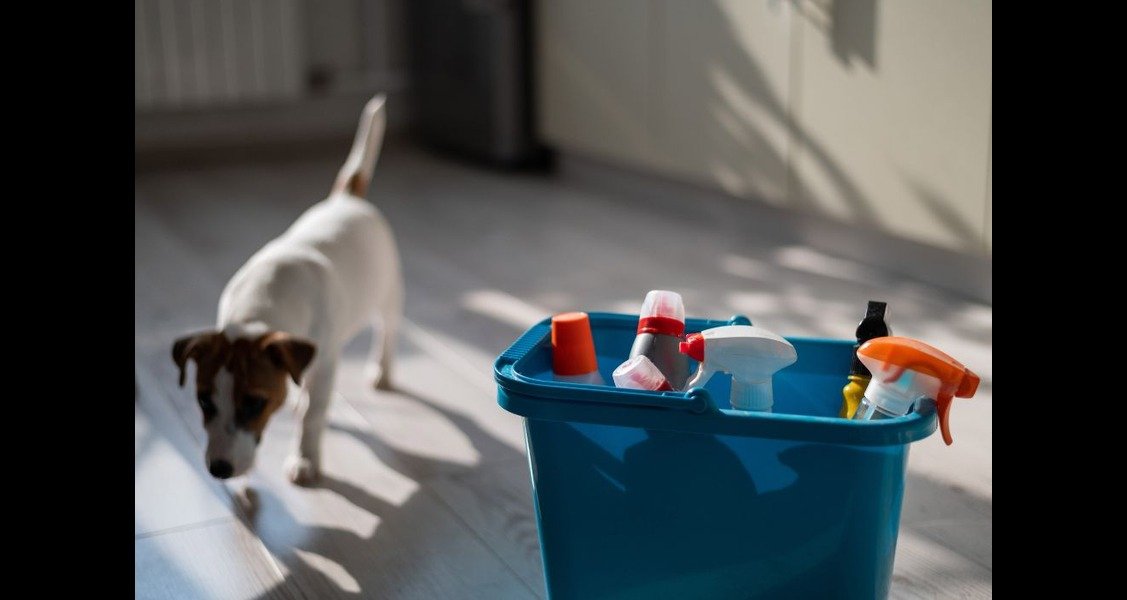
Pets spend time on floors, rugs, furniture, and bedding every day. That close contact makes pet-safe cleaning supplies an important part of a healthier home for animals and the people who live with them.
Many common cleaners contain ingredients that can irritate paws, skin, eyes, and airways. Some products also leave residues on surfaces that pets lick or track through the house after mopping, spraying, or scrubbing. Learn more about the effects of using these products and what to watch out for.
Why Standard Cleaners Can Create Risks
Dogs and cats explore with their noses and mouths, which increases exposure after cleaning. Birds and small mammals also react quickly to strong fumes because their sensitive respiratory systems offer less protection from harsh chemicals.
Risk often rises in kitchens, bathrooms, laundry rooms, and entryways where stronger products see frequent use. Concentrated formulas, scented sprays, and disinfectants can cause health problems when owners don’t read labels and follow safety instructions.
Ingredients That Deserve Extra Attention
Several ingredients show up often in household cleaning products that can irritate animals. Swap your home cleaning products for gentler options if they contain any of these irritants:
- Ammonia, which can irritate the eyes and lungs
- Bleach, which can burn tissue and create dangerous fumes
- Phenols, which can harm cats in particular
- Quaternary ammonium compounds, which can irritate skin and airways
- Artificial fragrances, which can worsen odor and respiratory sensitivity
Ingredient awareness helps households compare labels with more confidence. Clear labeling, simpler formulas, and products made for homes with animals usually support safer daily cleaning habits.
How Pet-safe Options Support A Cleaner Home
Safer products still remove dirt, grease, and bacteria when used correctly. The best options limit harsh fumes, reduce surface residue, and match the task instead of relying on heavy fragrance or unnecessarily strong chemistry.
That approach also helps indoor air stay more comfortable after routine cleaning. Homes with older pets, pets with allergies, or pets with breathing issues often benefit most from pet-safe cleaning supplies and low-residue formulas.
Smart Cleaning Habits Matter
Product choice matters, but cleaning habits matter just as much. Separate pets from freshly cleaned areas, store products in secure cabinets, rinse food bowls well, and allow floors and fabrics to dry fully before pet access returns.
For lingering smells after accidents or illness, natural odor removal methods can help households understand when a mild approach works and when deeper cleanup makes more sense. Odor control should remove the source instead of covering the smell.
What To Look For Before Buying
Strong marketing claims do not guarantee safer use around animals. Households should look for plain-language instructions, full ingredient disclosure, clear dilution guidance, and warnings that match the actual level of risk.
A pet-friendly cleaning routine is important because it protects more than floors and countertops. Better product choices can reduce accidental exposure, support healthier indoor air, and make the home safer for every animal under the roof.