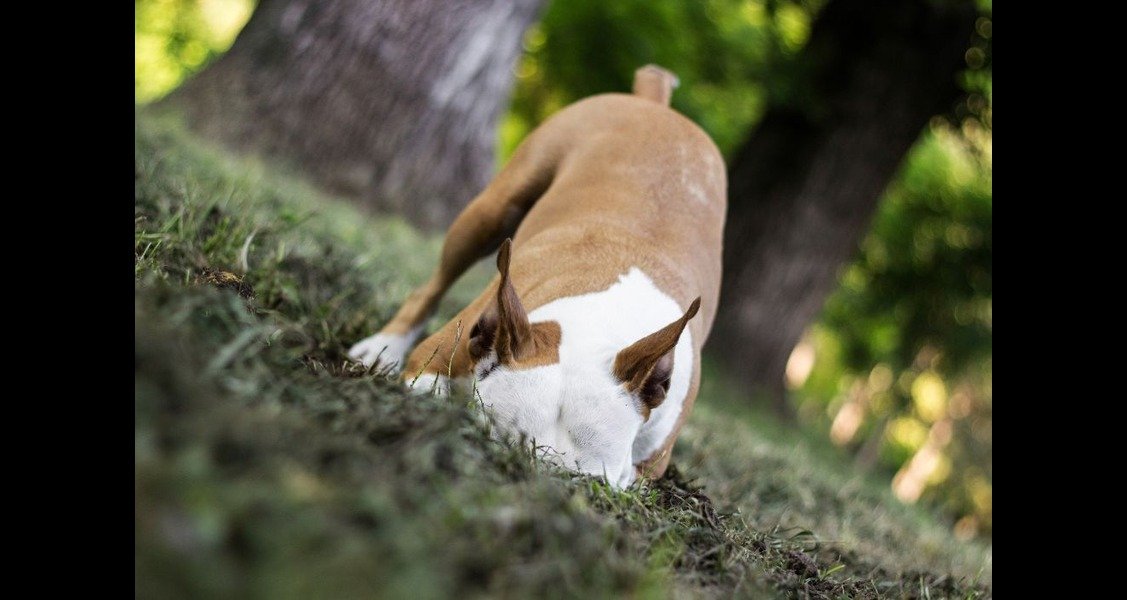
Does your pup love digging in the dirt like they’re searching for buried treasure? This common unwanted behavior shows up a lot in curious dogs, bored dogs, and pets who love exploring with their paws.
But most pet owners only care about the holes it creates in their yards. Few realize the health risks digging can create for their animals. Let’s take a look at how digging in dirt can affect your pet’s health, along with some practical ways to help your pet stop.
Parasites Can Spread Through Soil
Soil can carry parasites that affect your pet’s digestive system. Common parasites include roundworms and hookworms, which can live in contaminated dirt after infected animals leave waste behind.
When a pet digs, dirty soil can get on their paws and around their mouth. If they lick that dirt off later, parasite eggs can enter the body. Once inside, parasites can cause stomach pain, poor nutrient absorption, and low energy. Some can also spread to people, so this risk reaches beyond your pet.
Chemicals Can Irritate Skin
Yards can hold residue from lawn treatments. Some pets react when those chemicals cling to their paws.
After digging in treated soil, a pet may develop irritated skin between the toes. If they lick the residue off, they can also end up with stomach trouble. Any strange behavior after digging in a treated area deserves a call to your vet right away.
Bacteria Can Enter Through the Mouth
Dirt can contain bacteria from animal waste and wet soil. A pet who digs and then licks their paws can swallow those germs.
Bacterial exposure can upset the stomach quickly. It can also lead to an infection that needs veterinary care. Young puppies face added risk because their immune systems are still developing.
Sharp Objects Can Injure Paws
Dirt can hide sharp debris under the surface. When a pet digs into that debris, the pressure from their paws can slice the pad or tear the skin between their toes.
Those cuts give bacteria in the dirt a direct path into the skin, which can lead to swelling, tenderness, and infection if the wound isn’t cleaned quickly.
How Do You Prevent the Digging?
Okay, so clearly, digging is a behavior you don’t want your pet doing in the yard, for your sake and theirs! But how do you get a dog that loves dirt to stop? There are a few strategies you can try. For example, give your dog a dedicated dig area with clean sand so they can use that spot instead of tearing up the yard. You can also add supervised play time each day, since bored dogs dig when they need something to do. Another option, though a bit more involved, is replacing your grass with turf. Turf is low-maintenance, and because it has a secured base, your dog won’t be able to get under it to dig.
Stop The Habit Before It Hurts Them
Digging in dirt can affect your pet’s health in a variety of ways. Don’t wait until your pet gets sick to start correcting the behavior. Most of the time, redirecting your dog can help them break the habit before it becomes their favorite backyard hobby. If that doesn’t work, consider obedience training to build better outdoor behavior. And if all else fails, a yard full of turf will stop digging outright.