


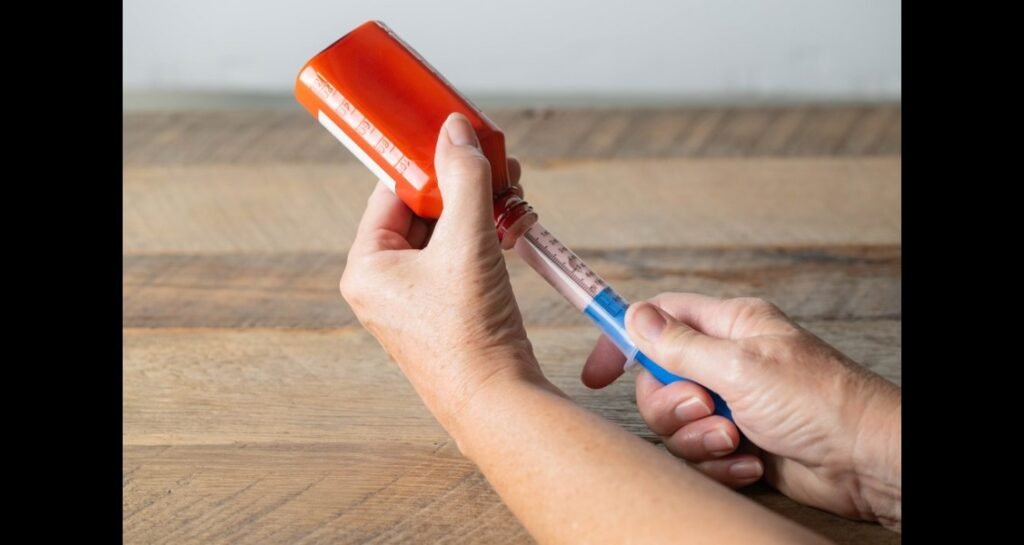
Giving your dog liquid medicine can feel stressful when your pet squirms, refuses the syringe, or spits out part of the dose. Following the best practices for your dog’s liquid antibiotic helps you measure each dose accurately, maintain the prescribed schedule, and reduce frustration. A calm routine and careful handling can make treatment easier for both you and your dog.
Build a Simple Routine
Giving your dog a liquid antibiotic can feel tricky when the bottle, syringe, and schedule all demand attention. A calm routine turns each dose into a quick, predictable task. Start by reading the pharmacy label, choosing a consistent dosing time, and keeping your veterinarian’s phone number nearby. Careful handling helps your dog receive the amount your veterinarian prescribed without adding stress to the day.
Follow the Prescription
Check the dose, frequency, treatment duration, and food instructions before you begin. Antibiotics vary in their instructions, so don’t assume one prescription works like another. Continue the antibiotic for the period your veterinarian directs, even if your dog seems better, unless the clinic changes the plan. Contact the clinic before you stop treatment, adjust the schedule, or combine the antibiotic with another medication or supplement.
Shake and Measure
Many liquid antibiotics settle between doses. Shake the bottle exactly as the label directs, then use the marked oral syringe that came from the pharmacy. Kitchen spoons can’t provide accurate measurements. Hold the syringe at eye level and draw the liquid to the correct line. If you notice a large air bubble, return the liquid to the bottle and measure again.
Give the Medication Slowly
Help your dog relax before you start. Place the syringe along the side of the mouth and aim it toward the cheek, not the back of the throat. Press the plunger slowly, pausing so your dog can swallow and breathe. Praise your dog afterward, and offer a treat when the medication instructions allow food. Don’t repeat a dose just because your dog spits out a small amount. Call the clinic if you can’t tell how much your dog swallowed.
Store It Correctly
Read the label every time you store the bottle. Some liquids need refrigeration, while others need a cool, dry cabinet. Your pharmacy may explain that veterinary medications will use cold chain packaging during shipment. Open the parcel promptly and follow the storage directions inside. Keep the antibiotic in its original container with the label attached. Place the bottle where children and pets can’t reach it, and store it away from medications for people.
Watch Your Dog
Pay close attention to your dog’s appetite, energy, digestion, and behavior throughout treatment. Review the medication handout for possible side effects and instructions. Call your veterinarian if new symptoms appear, existing symptoms worsen, or the infection doesn’t improve as expected. Seek emergency veterinary care if your dog develops difficulty breathing, facial swelling, collapse, or another sudden, severe reaction.
Finish With Confidence
Good antibiotic carefor your dog depends on accurate dosing, proper storage, close observation, and clear communication with your veterinarian. Keep a written dosing log so every caregiver knows what your dog received and when. When you follow the label and ask questions early, you support the treatment plan and make each dose easier for your dog.