


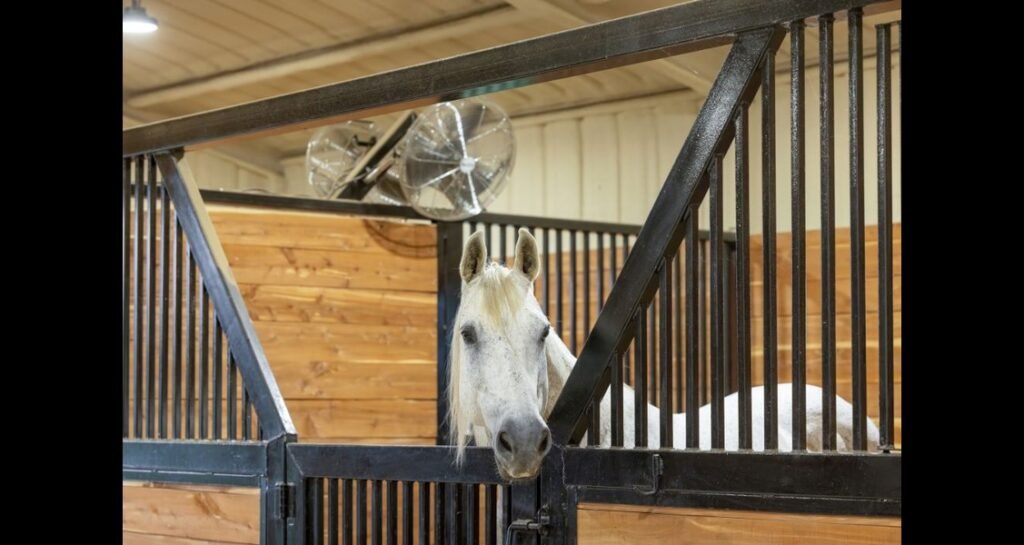
The way your horse barn is built and maintained can have a larger impact on your horse’s health than you may think. Small problems around the barn can expose horses to unhealthy conditions day after day. Here are several horse barn mistakes to avoid if you want to keep your animals healthy.
Poor Ventilation Traps Ammonia Indoors
A horse barn needs enough air exchange to carry ammonia and stale air out of occupied spaces. If the building is sealed too tightly, those irritants collect around the stalls instead.
Urine releases ammonia as it breaks down in bedding. Horses then breathe that air for hours at a time, which can irritate their respiratory systems. Proper ventilation moves contaminated indoor air out while allowing fresh air to enter without creating a cold draft across the horses.
Roof Leaks Reach Feed and Bedding
When’s the last time you checked your barn for leaks? Leaks can let rain reach stored feed. By taking steps to prevent leaks, such as inspecting damaged roof areas or repairing worn materials, you can keep feed dry and reduce the risk of mold growth.
Moldy feed can cause respiratory trouble or digestive illness in horses. A small roof problem can become an animal health problem when water repeatedly reaches the same storage area.
Poor Site Drainage Creates Muddy Areas
Water should move away from the barn after a storm rather than collect beside entrances or turnout access points. Poor grading can leave horses crossing the same muddy areas every day.
Constant exposure to wet ground keeps hooves damp for longer periods. That environment supports organisms associated with hoof problems such as thrush. Mud also gets carried inside on hooves, which adds moisture to areas that would otherwise stay dry. Proper drainage keeps rainwater from collecting where horses regularly walk or stand.
Feed Rooms Leave Openings for Rodents
Small gaps around doors or walls give mice and rats a route into feed storage areas. Once inside, rodents can contaminate grain with droppings or urine without leaving an obvious mess near the container.
The problem starts with the building when exterior openings make access easy. A feed room should block pests before they reach stored grain. Sealed entry points reduce the risk that contaminated feed makes its way into a horse’s ration without anyone realizing rodents have been inside.
Manure Storage Sits Beside the Barn
A manure storage area placed directly beside occupied stalls brings flies close to the horses. Flies reproduce in manure, then travel between waste and animals throughout the day.
Some flies spread pathogens or irritate wounds as they feed. The location of the manure area therefore affects more than odor around the barn. Giving it adequate distance from stalls reduces insect activity near the horses and keeps one major breeding site farther from the places where animals spend most of their time.
The Barn Has No Quarantine Space
A barn layout with no separate area for a new or sick horse makes disease control much harder. If every stall sits within the same occupied section, isolation becomes difficult as soon as illness appears.
A separate space gives you room to keep a horse away from the rest of the group while you wait for veterinary guidance or watch for symptoms. Without that separation, horses remain closer to one another at the exact time you need to limit contact.
Isolation Stalls Share the Same Air
A stall at the far end of the main aisle may look separate enough for a sick horse, but distance alone doesn’t create true isolation. If the stall shares the same enclosed airspace as every other horse, respiratory particles can still move through the building.
A quarantine area should account for airflow as well as physical separation. Horses with respiratory illness need a setup that reduces exposure for the rest of the barn instead of placing them several stalls away within the same air supply.
Stall Dividers Allow Too Much Contact
Solid separation isn’t necessary between every healthy horse, but stall design becomes important when illness enters the barn. Dividers that allow horses to put their noses through large openings make it difficult to limit contact.
Respiratory secretions can pass between horses when they touch noses across a divider. The same issue appears when a sick horse can reach into a neighboring stall. Barn design should give you a way to restrict that contact when an animal needs to remain separate.
Stall Surfaces Are Hard to Disinfect
Some barn materials are much harder to sanitize after a sick horse leaves a stall. Rough or deeply porous surfaces can hold organic material in small openings that a basic surface wipe won’t reach.
That becomes a problem when a contagious illness requires thorough disinfection before another horse uses the space. Stall materials don’t need to resemble a hospital room, but surfaces in areas used for isolation should tolerate proper cleaning without trapping debris deep inside the material.
Wash Water Flows Toward Horse Areas
A poorly placed wash rack can send used water toward stalls or high-traffic areas instead of into a proper drain. Water from washing a sick horse may contain organic material that you don’t want spreading across the barn floor.
The wash area should send water away from occupied spaces. Floor slope and drain placement control where that runoff travels after it leaves the horse. If water routinely crosses an aisle on its way to a drain, the layout is working against barn sanitation.
Birds Can Roost Above Feed Areas
Open rafters give birds plenty of places to perch inside some barns. The problem grows when those perches sit directly above feed storage or water areas.
Bird droppings can contaminate surfaces underneath the roost. A barn design that allows repeated bird activity over feed creates an avoidable sanitation problem. Blocking access to favored roosting areas keeps droppings away from places associated with horse food and water without requiring constant cleanup beneath the same beam.
Dusty Aisle Materials Add to Airborne Irritants
Some aisle or indoor floor materials release large amounts of dust when horses walk across them. That dust doesn’t stay at hoof level. Movement through the barn sends fine particles into the air where horses breathe them.
A dusty interior becomes more troublesome when horses already spend long periods indoors. Flooring should hold up to regular traffic without producing clouds of fine material every time someone leads a horse down the aisle. Excess airborne dust can irritate sensitive respiratory systems over time.
A Healthier Barn Starts With Routine Care
Avoiding horse barn mistakes that can cause illness takes regular care and close observation of the space your horses use each day. Keep up with barn maintenance, correct problems when you find them, and contact your veterinarian when you have concerns about sickness or disease prevention.