


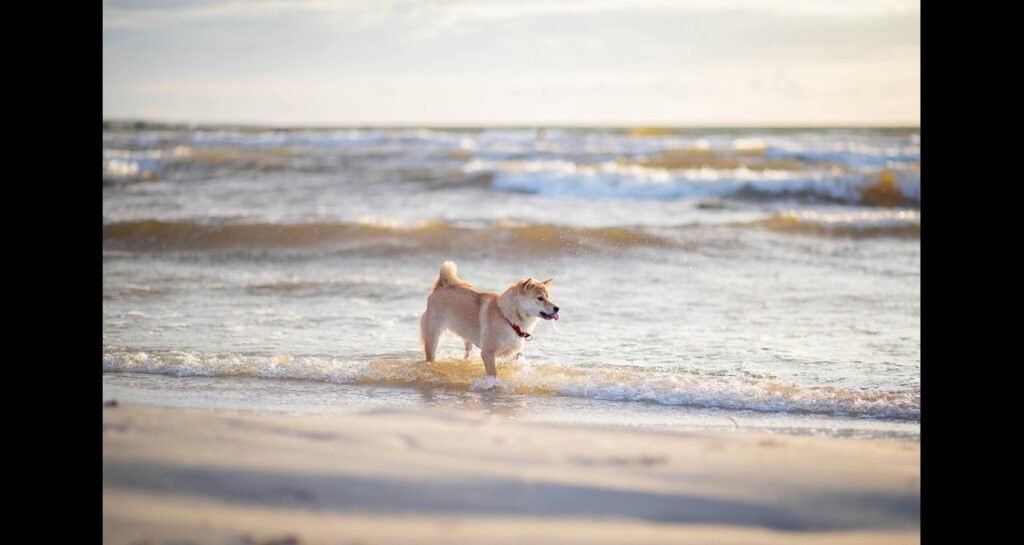
Most dogs love parks, but the beach is the place to go when you want to take them to a place that offers the most health benefits. There’s something about salty air and open space that positively impacts their behaviour and wellbeing. Even dogs that act grumpy at home can suddenly look lighter near the water. It’s not just because they get to run around like maniacs for an hour either.
The Sand Gives Nervous Dogs a Job to Do
A lot of stressed dogs don’t actually need calming. What they need instead is something useful to focus on. Beaches are brilliant for that because the ground is never boring. For starters, your dog has to think while walking on sand. Dry sand feels different from wet sand, and tiny shells have a tendency to poke through. Then there are birds, and we all know how excited dogs get when the birds are close.
You’ll notice anxious dogs sniff more deeply at the beach, too. That kind of sniffing lowers stress in many dogs. And since the beach is calmer compared to city life, they stop obsessing over every sound and start gathering information instead. You’ll notice that your dog will sleep better after beach trips than after hikes, and it’s all because the brain got tired in a different way.
Salt Air Can Change a Flat, Moody Dog
Dogs that seem dull or withdrawn sometimes perk up near the coast almost immediately. If you’re lucky, they might even start checking things out instead of dragging behind. Part of it is sensory overload, but the good kind. Beaches smell alive, and your dog’s nose gets hit with thousands of new signals all at once.
A boring environment can flatten some dogs emotionally. Smart or extra hyperactive breeds stuck in suburban routines tend to suffer the most. The beach is great for them because it wakes them up mentally. That’s probably why people looking at a Brunswick Heads house for sale get ridiculously excited when they realise the beach is dog-friendly nearby. You can almost picture the dog before you picture the couch.
Running on Wet Sand Builds Their Body
Wet beach sand acts as fitness equipment for your dog. Your dog has to stabilize themselves constantly while moving across it. Tiny muscles around their shoulders, hips, toes, and spine start working harder. You should know that this doesn’t make beach activities painful for them, but it does make them stronger and more resilient.
Older dogs benefit from occasional visits the most. The softer surface absorbs some shock, making it easier on their paws. You still need to be careful with overdoing it, though. A dog shouldn’t suddenly sprint for an hour on soft sand after months of backyard life. But regular beach movement can help with stiffness and coordination. You’ll sometimes notice your dog becoming more balanced afterwards, especially when turning corners or getting into the car.
Beach Socialising Feels Less Awkward for Dogs
Dog parks can feel tense because everyone is boxed in. Some owners hover nervously and create tension, and some dogs aren’t behaving properly in this kind of social setting. On the other hand, beaches usually flow better socially.
Dogs can approach sideways instead of head-on, and that’s a huge plus. They can run off after a sniff instead of getting cornered. They don’t have to perform perfect manners every second because there’s actual space to move. A socially uncertain dog often gains confidence faster at the beach. The freedom they get there lowers stress massively.
Sea Water Does Good Things for Some Dogs’ Skin
Not all dogs should swim in saltwater constantly. Still, mild exposure can help certain skin issues. Some dogs with itchy skin or greasy coats actually improve after beach swims. Salt water can dry out mild irritation and help loosen dead skin trapped in thick fur. Then the sand acts almost like a scrub while they roll around.
Of course, you still need to rinse them afterwards because dried salt can become irritating. You can’t just leave it sitting there. And don’t let them drink half the ocean unless you enjoy explosive diarrhoea in your car later.
Conclusion
And after a proper beach day, most dogs will just want to eat, cuddle, and sleep. If your dog acts like this, the beach trip was a success. Once you start introducing more trips, they’ll slowly adapt, but they should still feel tired and ready for food and shelter afterwards. So, if you have access to a beach, enjoy this benefit. Just like it affects dogs, a beach trip will have a positive impact on you, too.