


It’s natural to worry about your furry friend when you take them to the vet. You want them to get the best care, but you also want them to stay safe from whatever the last patient had.
This is a common concern, and thankfully, your veterinary team thinks about it constantly. They’ve got a whole system in place to stop the spread of disease between pets. It involves a combination of smart design, strict cleaning routines, and careful handling of every animal that comes through their doors.
Separate Areas for Sick and Healthy Pets
Walk into a modern vet office and you’ll spot different waiting zones or entrances for sick patients versus healthy ones. These clinics arrange their spaces this way to keep contagious pets away from those coming in for vaccines or routine care. Sick pets head to their own exam rooms. Clinics also have special isolation rooms for very contagious cases. When pets are kept apart at these points, it reduces the risk of picking up a serious illness at the clinic.
Strict Hand Hygiene Protocols
Hand hygiene is the single most effective way to stop germs in their tracks. Vets and vet techs wash their hands before and after touching any animal.
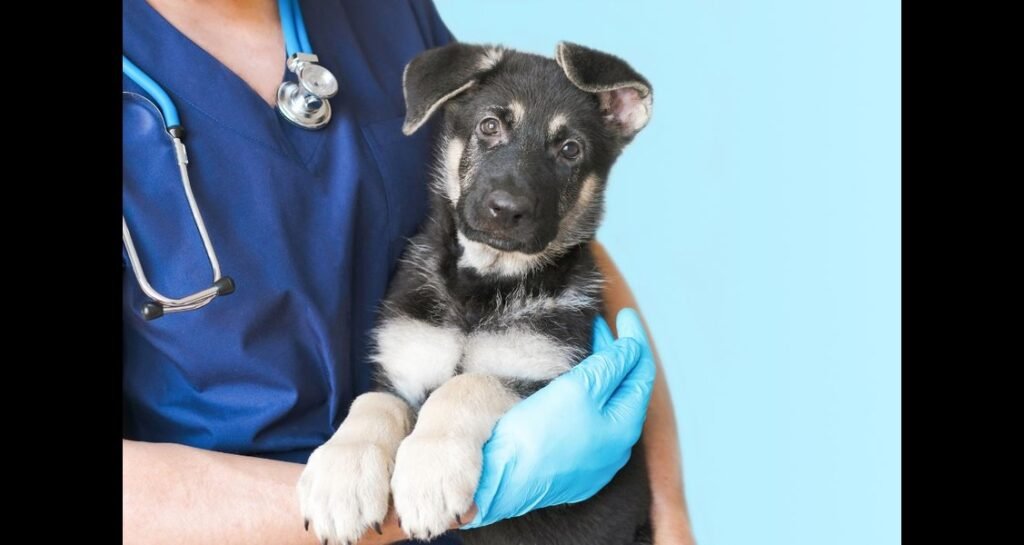
They also wear disposable gloves for exams, especially if an animal has a wound or shows signs of infection. They change these gloves between every single patient. By doing this, they break the chain of transmission physically. It keeps bacteria or viruses from hitching a ride on human skin from one room to the next.
Cleaning Exam Rooms Between Patients
After a pet leaves an exam room, the veterinary team doesn’t just wipe down the table. They disinfect the entire room. This includes the exam table, the floor, doorknobs, and any equipment that was used. They use special cleaners that are formulated to kill a wide range of pathogens, including tough ones like parvovirus. You can feel confident that your pet isn’t being exposed to anything left behind from the previous patient.
Sterilizing or Disposing of Equipment
Veterinary teams are extremely careful with their medical tools. Many items, like needles and syringes, are single-use. They’re used once and then thrown away in special containers. This completely removes any chance of transferring illnesses through these tools.
For tools that are reusable, like surgical instruments and dental equipment, vets deep clean them using validated methods proven to remove sufficient bacteria, viruses, and debris from surfaces.
Keeping Your Pet Safe
From the moment you walk in the door to the tools they use, your veterinary team is always focused on safety. They use separate waiting areas, practice rigorous handwashing, and sterilize all their equipment. These procedures are all part of how vets stop the spread of disease between pets. It’s their commitment to these strict protocols that keeps your companion safe and healthy during their visit.