


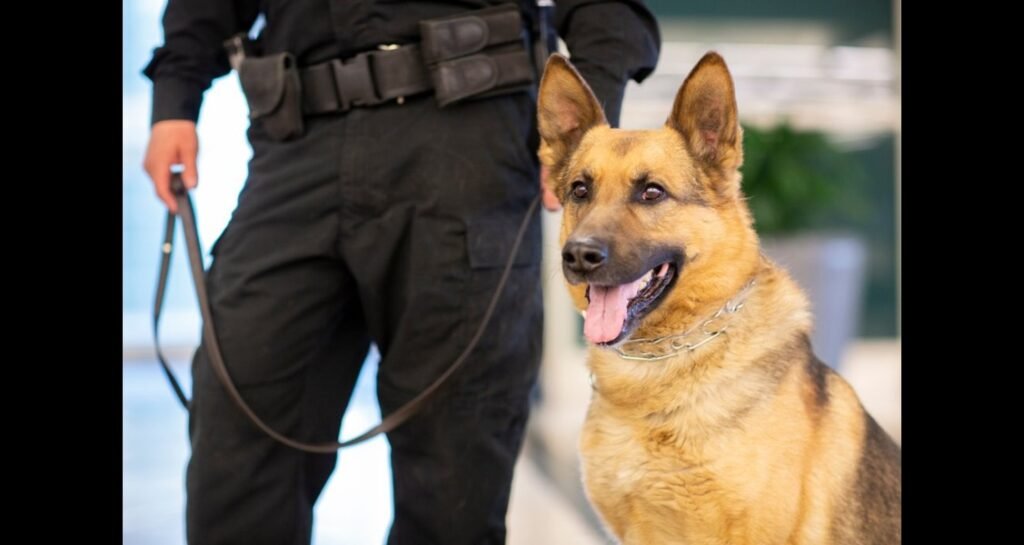
Brave K9 dogs support law enforcement, search and rescue, and military operations every day. Sometimes, their work can take them into environments that put them at risk of injuries. The good news is that many of these injuries are preventable with the right precautions.
Here are four common types of K9 injuries and what handlers can do to protect their furry partners.
Watch the Terrain Before You Send Your Dog In
Rough ground is one of the leading causes of paw injuries in working dogs. Broken glass, jagged rock, hot pavement, and sharp debris can cut paw pads deeply enough to pull a dog off duty for weeks.
Protective boots rated for active field conditions can shield the pads from most surface hazards. If boots aren’t an option for the deployment, do a quick visual sweep of the area before releasing your dog.
Joint Stress Builds Up Faster Than You’d Think
K9 dogs that run, jump, and climb repeatedly over years of service face a higher risk of joint degeneration, particularly in the hips and elbows. The damage doesn’t appear overnight. Repetitive strain builds over time when the dog doesn’t get enough recovery between demanding assignments.
Keeping your dog at a lean, healthy weight reduces pressure on the joints. Scheduled rest days between high-impact deployments also limit cumulative wear. Has your dog started moving stiffly after activity or pausing before a jump? Bring those changes to a veterinarian early rather than waiting for the discomfort to worsen.
Protect Your Dog from Blunt Force and Puncture Wounds
Investing in a durable tactical K9 vest can help prevent most puncture and blunt force injuries by distributing impact across a reinforced panel and covering the dog’s core from debris, bites, and low-velocity projectiles.
Not every vest is built the same. Look for a fit that doesn’t restrict shoulder movement, since a vest that binds during a sprint creates its own problems. Inspect the seams and panels regularly for wear, since damaged materials may no longer provide the protection your dog needs.
Overexertion Is an Injury Too
A dog that’s been pushed past its physical limit doesn’t always show it dramatically. You’re looking for subtler signs: slower response times, reluctance to engage, or unusual clumsiness on terrain the dog normally handles without trouble.
Working dogs are trained to push through discomfort, so the handler must recognize fatigue before it leads to injury. Conditioning programs that increase intensity gradually reduce the risk of muscle tears and exhaustion-related injuries. If a dog is returning after illness or time away from training, rebuild the workload slowly before resuming full deployment.
Keeping Your K9 in the Field
Preventing these common K9 injuries comes down to consistent observation and preparation. Know your dog’s baseline behavior well enough to notice when something’s off. The handlers who catch injuries early are the ones paying close attention before a problem becomes a crisis. Your K9 puts everything into the work. The least you can do is put the same care into keeping them healthy enough to do it.