


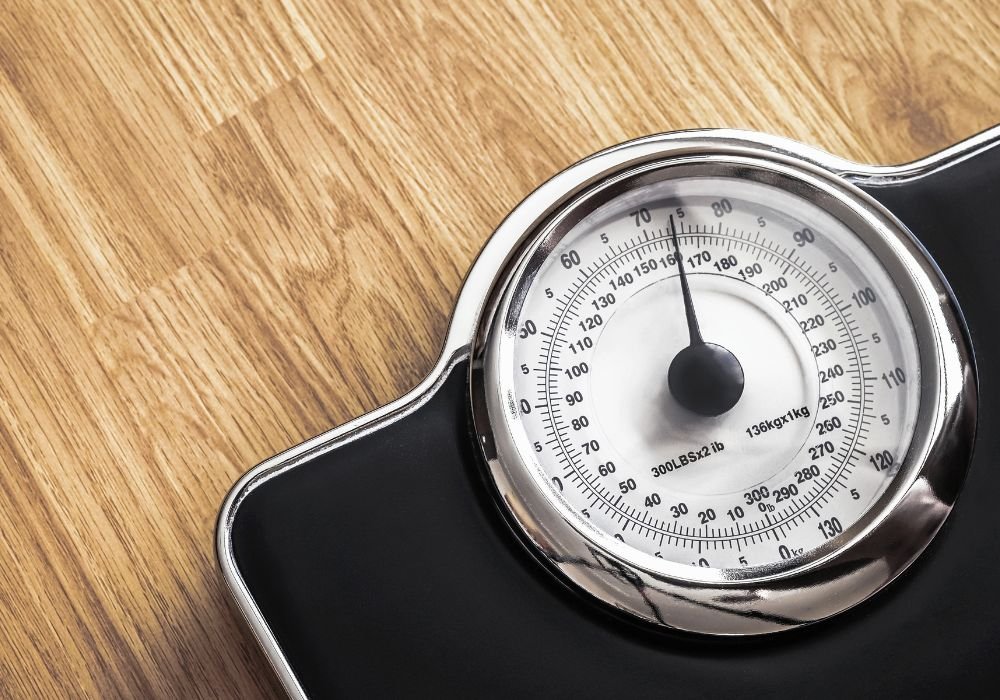
Regularly weighing your pet can help you monitor their health. Oftentimes, the first sign of an illness is a sudden reduction or spike in weight. Most pets are simple to weigh; place them on a zeroed-out gram scale or bathroom scale and jot down the measurement.
But what do you do if you have a pet that’s too big for standard home equipment? Not every pet owner keeps traditional pets like cats, dogs, or goldfish. Some keep horses, pot-bellied pigs, or large reptiles. If this is you, here’s how you can accurately weigh your large pet and monitor changes over time.
Invest In a Livestock Scale
For larger pets, you may need to use a livestock scale, which is a large platform that can handle heavier loads of up to 1,000 pounds or more. You can purchase a livestock scale for your home online—they can be a little expensive, but preventing health issues in your pet and costly trips to the vet makes them a worthwhile investment for most people. Or, if you live in a rural area, which many owners with these larger pets do, you can see if there’s a local farm that would let you borrow theirs a few times a month.
Use a Weight Tape
If buying a massive scale isn’t in the budget, a weight tape is a fantastic, low-cost alternative. These are commonly used for horses and large pigs. A weight tape isn’t a standard measuring tape; it’s calibrated to convert specific measurements (usually the “heart girth,” which is the circumference of the chest behind the front legs) directly into an estimated weight.
While this method might not give you the gram-perfect precision of a digital scale, it is highly effective for tracking trends. If the tape measurement increases over a month, you know your pet is gaining weight, regardless of the exact number.
Visit a Public Weigh Station
For those who have the means to transport their large pets, public weigh stations or “weighbridges” are another option. You can often find these at truck stops, landfills, or agricultural supply stores.
To use these stations, drive your vehicle and the trailer with your pet inside onto the scale and record the total weight. Then, drop your pet off at home (or take them out of the trailer if it’s safe and enclosed) and weigh the vehicle and empty trailer again. Subtract the second number from the first, and you have the weight of your pet.
Learn Body Condition Scoring
Numbers are helpful, but they aren’t the only way to track health. Body Condition Scoring (BCS) is a hands-on method used to assess if an animal is too thin, too fat, or just right. This involves visually inspecting your pet and feeling for fat cover over specific areas like the ribs, spine, and hips.
Your vet can teach you how to score your specific type of pet. Once you know what a healthy “score” feels like, you can monitor their condition weekly without needing any equipment at all.
Weighing For Wellness
Weighing large pets is more difficult than weighing small ones, but it’s still something you should do because it can help you catch changes to your animal’s health early. Use these tips to make the process easier on you and your equine, porcine, or exotic friend!