


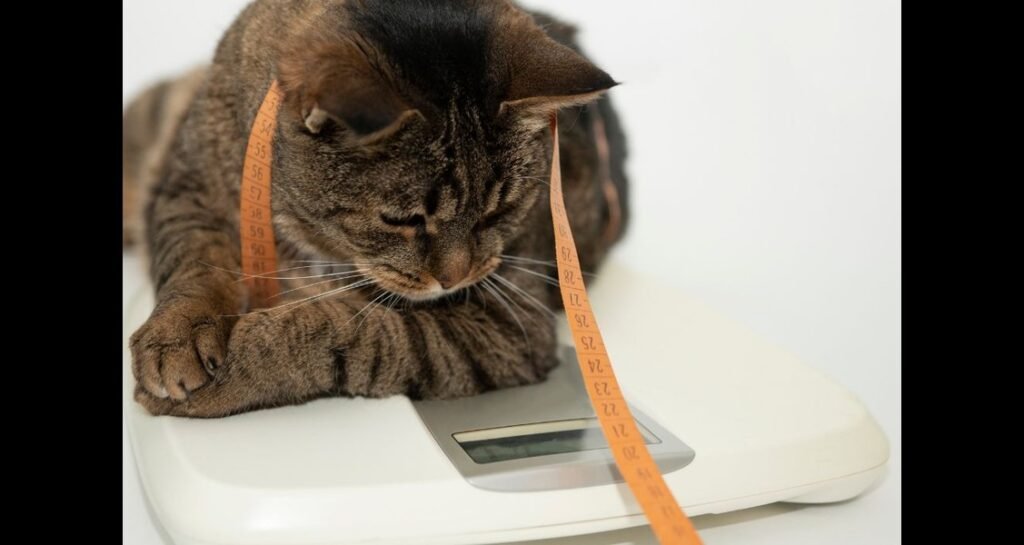
Your dog used to hop onto the couch without thinking twice. Now, they hesitate before jumping, even though nothing else in the house has changed. Or perhaps your cat feels noticeably thinner when you pet their back. It’s easy to miss gradual body changes when you see your pet every day.
Body fat and muscle both affect movement, and unexpected weight loss can point to illness. Small observations at home will help you recognize when your pet needs a different routine or a veterinary visit. Here’s how weight changes affect your pet’s daily comfort.
Notice Changes in Everyday Movement
Start with activities your pet knows well. Does your dog stop halfway through a familiar walk? Does your cat pause before jumping onto a favorite windowsill? A change in willingness to move deserves attention, especially if it continues.
Extra weight is one possible explanation, but it isn’t the only one. Joint problems or an injury also cause animals to avoid movements they once handled easily. Some pets become quieter instead of showing obvious signs of pain.
Watch your pet rise after a nap. If getting up takes more effort than usual, note it and schedule a veterinary assessment. Don’t assume a slower pace is just part of getting older.
Watch for a Pattern
A dog might seem tired after an unusually active afternoon. Look for repeated difficulty across several days instead of judging their condition by one outing. If your pet shows severe pain or suddenly cannot stand, seek urgent veterinary care instead of waiting to gather more observations.
Understand Why Extra Weight Affects Joints
Every time your dog climbs stairs, their legs support their body weight. As body weight increases, those joints handle greater mechanical demands. Excess body fat also contributes to inflammatory processes associated with conditions such as osteoarthritis.
Don’t respond by forcing longer workouts. If your pet already has joint discomfort, sudden increases in exercise might make the problem worse. Ask your veterinarian to assess their mobility before changing the routine.
For pets with excess body fat, a supervised weight-management plan can improve comfort. The goal is to reduce unnecessary strain while preserving the muscle your pet needs for daily movement.
Recognize When Weight Loss Is a Warning Sign
Losing weight isn’t automatically good news. If you haven’t changed your pet’s food or exercise routine, an unexplained drop in weight deserves a vet visit. Consider an older cat who still approaches the food bowl eagerly but looks thinner around the hips. Several medical conditions affect weight even when appetite remains normal.
Check for Muscle Loss
Muscle and fat don’t tell the same story. An animal might carry excess body fat while losing muscle along the back. Reduced muscle mass is important because your pet relies on it to stand and move comfortably.
A veterinarian can assess muscle condition and determine whether weight changes reflect body fat, muscle, or both. Don’t cut food portions because of unexplained weight changes. First, find out what’s causing them.
Use Body Condition Instead of Guessing
Pet owners sometimes judge weight by comparing their animal with others of the same breed. Yet two dogs of similar height might have different healthy weights because of their build.
Veterinary teams use a body condition score to evaluate fat coverage. On a common nine-point scale, a score near the middle generally indicates ideal body condition, although individual needs vary.
Ask your veterinarian to show you how to assess your pet’s condition. Once you know what to look for, you’ll notice gradual changes between visits more easily.
Review Food Portions Before Changing Diets
A scoop of kibble looks like a consistent serving, but calories depend on the food and how much you put in the scoop. A heaping cup gives your pet more than a level one, and family members sometimes feed extra portions without realizing someone else already handled dinner.
Start by measuring the food your pet currently eats. Compare the daily amount with your veterinarian’s recommendation rather than making a large reduction on your own.
Treats matter too. Small extras add up when everyone in the household enjoys rewarding the dog. If your veterinarian recommends weight loss, ask about an appropriate daily calorie target and how treats fit into the plan.
Choose Activities Your Pet Enjoys Comfortably
Exercise supports muscle and everyday mobility, but the right activity depends on your pet’s health. A young dog who enjoys long walks has different needs from an older dog with arthritis.
When your veterinarian approves more movement, begin with a manageable routine. A short walk on level ground might suit a dog who has become less active. Pay attention to how they move afterward, not only how eager they seem when you reach for the leash.
Indoor cats benefit from play, too. Try a wand toy for a brief session, allowing your cat to chase at their own pace. If your cat struggles with jumping, move toys along the floor instead of encouraging high leaps.
Check Whether Everyday Equipment Still Fits
Weight changes affect how your pet’s gear sits on their body. A harness that once fit snugly might press against the shoulders after weight gain. After weight loss, the same harness might shift while your dog walks.
Check your dog’s harness with the animal standing naturally. Look for rubbing near the legs and confirm the straps don’t restrict movement. Follow the manufacturer’s fitting instructions rather than relying on an old adjustment.
The same principle applies to other animals. A horse owner checking whether their saddle pad fits their horse’s backline might find that changes in the animal’s body shape require another equipment assessment.
For most pet owners, a collar is another simple place to start. Check the fit as your pet’s neck size changes, and replace damaged gear instead of tightening it too much.
Track Progress Without Rushing Results
If your veterinarian recommends a weight management plan, establish a realistic schedule for checking progress. Weigh your pet using the same scale when possible and record the results.
Avoid treating a lower number as the only measure of success. Healthy weight management should preserve adequate nutrition and muscle. Your veterinarian can adjust the plan when progress stalls or your pet seems uncomfortable.
Once you understand how weight changes affect your pet’s daily comfort, you’ll start noticing the everyday details worth discussing at an appointment. A little extra attention to movement and feeding habits helps you respond early, before a small change becomes a larger health concern.