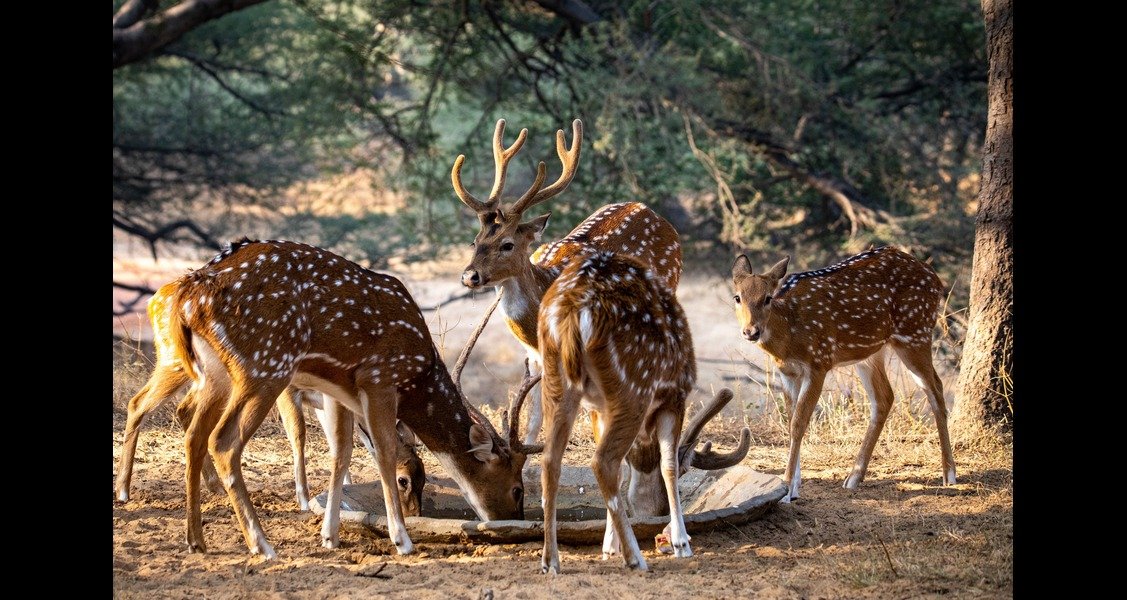
Animal health is shaped by more than veterinary care, proper nutrition, and regular checkups. The conditions in which animals live also affect their physical health, behavior, and ability to survive. This applies to both domestic animals and wildlife, although the health challenges facing wild populations often extend beyond individual animals to the ecosystems they depend on.
Pets rely on their owners for clean water, suitable food, and a safe place to live. Wild animals depend on their natural habitats for the same essentials. When forests are cleared, rivers become polluted, or grasslands are converted for development, wildlife can lose access to food, water, shelter, and space. These changes may force animals into unfamiliar environments, increase competition for resources, and expose them to new health risks.
Wildlife conservation helps protect the environments animals need to stay healthy. It also supports disease monitoring, habitat restoration, and safer interactions between wildlife, domestic animals, and people. This article explores how conservation efforts support animal health, why healthy ecosystems matter, and how pet owners can contribute to wildlife welfare.
Healthy Habitats Support Healthy Animals
Animals need suitable environments to find food, reproduce, avoid predators, and maintain their health. A healthy habitat provides these essentials while allowing wildlife populations to follow their natural patterns of movement and behavior.
Habitat destruction disrupts this balance. Deforestation, pollution, agricultural expansion, and urban development can reduce the resources available to wild animals. When food and water become scarce, animals may travel farther or move closer to farms and residential areas. This can increase stress and bring wildlife into contact with livestock, pets, and people.
Habitat fragmentation creates another challenge. Roads, farms, and buildings can divide natural areas into smaller, isolated sections. Animals may struggle to reach feeding grounds or find mates, while limited movement can affect genetic diversity over time.
Conservation projects address these problems through habitat restoration, protected areas, and wildlife corridors. These measures help animals access essential resources and move between suitable habitats.
The Connection Between Conservation and Disease Prevention
The health of wildlife, domestic animals, people, and the environment is closely connected. This relationship is central to the One Health approach, which recognizes that health risks can cross between species and ecosystems.
Environmental changes can influence how diseases spread. For example, habitat destruction may bring wild animals into closer contact with livestock or human settlements. Poor waste management can attract wildlife to areas where they are more likely to encounter domestic animals. Polluted water sources can also expose different species to harmful organisms and chemicals.
Conservation does not prevent every disease, but it can help reduce certain risks. Protecting natural habitats, monitoring wildlife populations, and managing contact between species give conservationists and veterinary professionals a better chance of identifying potential health threats.
Regular disease surveillance is particularly important. Researchers and wildlife health teams can monitor animal populations, investigate unusual deaths, and identify signs of disease outbreaks. This information can support earlier responses and help limit the spread of infections.
How Conservation Efforts Protect Wildlife
Wildlife conservation involves several practical activities that support animal health and survival. These include:
- Habitat protection and restoration: Preserving forests, wetlands, and grasslands helps animals retain access to food, water, shelter, and breeding grounds.
- Wildlife corridors: Connecting fragmented habitats allows animals to move more safely between feeding and breeding areas.
- Rescue and rehabilitation: Veterinary care and rehabilitation can help injured, sick, or displaced animals recover when they cannot survive without intervention.
- Disease monitoring: Tracking wildlife health helps identify emerging threats and informs appropriate responses.
- Community education: Helping local communities understand wildlife behavior and coexistence can reduce harmful encounters and human-wildlife conflict.
Organizations such as Save Giraffes Now demonstrate how wildlife conservation and animal welfare can work together through efforts to protect giraffes, support rescue and rewilding, and promote coexistence between people and wildlife.
These activities are most effective when they address both the immediate needs of animals and the environmental conditions affecting their long-term health.
How Pet Owners Can Support Wildlife Health
Conservation is not limited to researchers, veterinarians, and wildlife organizations. Pet owners can also make everyday choices that reduce pressure on wild animals and their habitats.
A few practical steps include:
- Keep dogs and cats under control, especially in areas where wildlife is present.
- Follow veterinary advice on vaccinations and parasite prevention to protect pets and reduce potential health risks.
- Dispose of pet waste, food scraps, and household rubbish responsibly.
- Avoid feeding or handling wild animals, as this can change their behavior and increase unsafe contact.
- Choose products and services that do not contribute to habitat destruction or wildlife exploitation.
- Support credible conservation organizations working to protect wildlife and natural habitats.
These actions may seem small, but responsible pet ownership can help reduce avoidable harm to wildlife and the environments they share with people.
Protecting Wildlife Is Part of Protecting Animal Health
Animal welfare does not stop at the boundaries of a home, farm, or veterinary clinic. Wild animals also need healthy environments, access to natural resources, and protection from preventable threats.
Wildlife conservation supports these needs through habitat protection, veterinary intervention, disease monitoring, and responsible management of human-wildlife interactions. It also contributes to the wider One Health goal of protecting the connections between people, animals, and the environment.
Protecting natural habitats gives wildlife a better chance of remaining healthy and thriving. It also helps create safer, more balanced environments for domestic animals and people.