


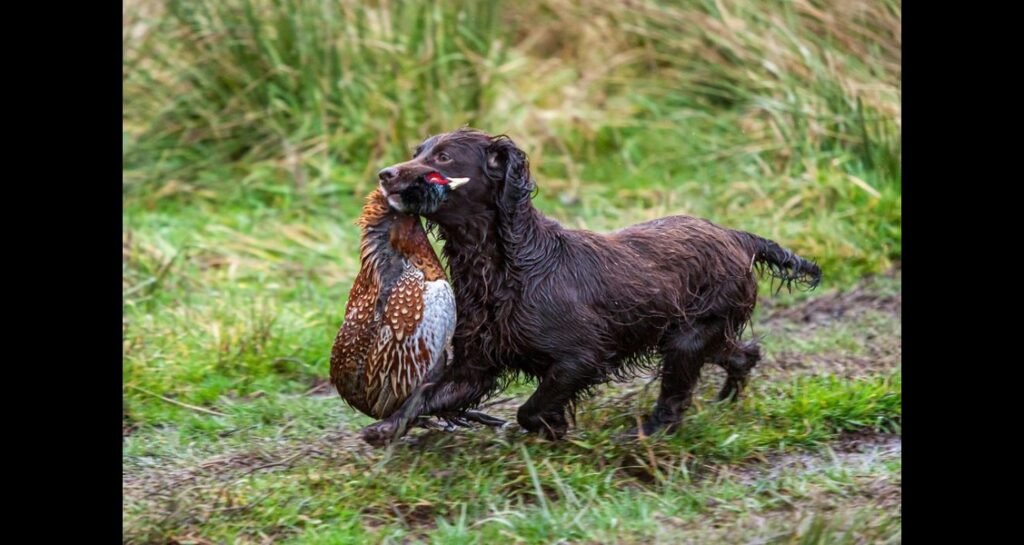
Most dog owners have watched their canine companion eye a squirrel or rabbit with intense focus and initiate a full-fledged pursuit. While this instinct is natural, the actual consumption of wild animals poses serious health risks to our pets. Consequently, keeping a close watch on your pet when they’re outside is a necessary part of responsible ownership. Read on to learn more about how dangerous it is for your dog to eat wildlife and what you can do to avoid it.
Parasitic and Bacterial Transmission
Wild animals frequently carry internal parasites that transmit easily to dogs upon ingestion. For instance, rodents and rabbits serve as intermediate hosts for tapeworms, roundworms, flukes, and protozoa like Giardia. Once your dog digests the infected tissue, these parasites migrate to the intestines, causing diarrhea, vomiting, weight loss, and anemia.
Moreover, bacteria present a substantial threat. Raw meat from wild prey might contain harmful microorganisms such as Salmonella, E. coli, Campylobacter, and Leptospira. These pathogens cause gastrointestinal distress in dogs and, in some cases, transmit to human family members through contact with the dog’s saliva or feces.
Physical Trauma
Beyond microscopic threats, the physical act of eating a carcass can be dangerous. The bones of small animals like birds, squirrels, rats, and rabbits are brittle and sharp. Ingestion of these skeletal parts can cause choking hazards, gastrointestinal obstruction, esophageal damage, and intestinal perforation. Such injuries usually require emergency surgical intervention.
Secondary Poisoning
What the prey animal ate before it was caught can also be an issue. Rodents often consume bait containing anticoagulants or neurotoxins used in pest control. If your dog eats a poisoned mouse, they experience secondary toxicosis. This condition can create life-threatening symptoms, including internal bleeding, seizures, kidney failure, and neurological collapse. Because you cannot know the history of a wild animal, you must assume the risk of toxicity exists.
How To Keep Your Dog Safe
It is dangerous for your dog to eat wildlife, and if you suspect it has happened, your prompt action is important. First, take your dog to the emergency vet. There, the doctor can perform any immediate surgery or detoxification. If it’s more of a long-term or low-pressure concern, they will send you home with the right medication and care instructions.
And secondly, remember that prevention is always the most effective strategy. You should clear your yard of carcasses, keep your dog on a leash in wooded areas, and supervise outdoor play. Another really helpful technique is learning to manage your dog’s prey drive through recall training. This way, if they start barreling down the road after a squirrel, you can reliably call them back to your side.