


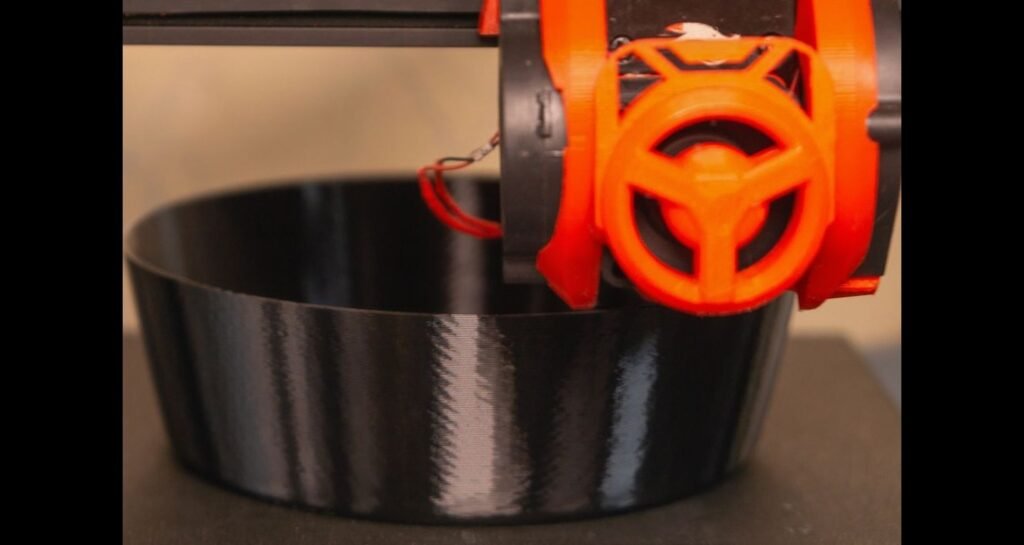
3D printing is one of the most accessible forms of DIY manufacturing, and you can see it everywhere on vendor platforms like Etsy. Whether you want to make or buy a cute item for your pet, there’s a good chance you’ll come across 3D printing as an option. You can find 3D-printed food bowls, toys, orthopedic braces, and custom accessories popping up everywhere.
But are 3D-printed products safe for your pet to use? The short answer is maybe. Let’s explore what you need to consider beforehand.
The Material Is Everything
The most important factor in any 3D-printed product is the filament used to make it. The two most common types are PLA (polylactic acid) and ABS (acrylonitrile butadiene styrene). Both of these plastics are generally considered to be food-safe, but not when extruded through a 3D printer, primarily due to temperature, dye, and nozzle contamination concerns.
Beyond those two, there are specialty filaments marketed as food-safe or pet-safe. Food-safe PETG or certified food-safe PLA are the best options for all products, especially ones your pet will eat or drink from. These filaments should be dye-free and produced with exceptional attention to print quality (more on this below).
Print Quality Changes the Safety Profile
Even a pet-safe filament can cause problems if the print quality is poor. The main things that affect 3D print quality include layer adhesion, print temperature, and infill density. A poorly printed item may have gaps, rough edges, and weak spots that crack under pressure. Those imperfections can trap bacteria and create micro-cuts in your pet’s mouth or paws.
Therefore, pet-safe 3D prints should undergo careful post-processing to completely smooth the layers. Additionally, you must ensure the printer’s nozzle doesn’t contain lead (stainless steel is your best bet).
What the Product Is Used For Matters
A 3D-printed tag on a collar carries very different risks than a food bowl your dog eats from twice a day. Decorative items with minimal contact are lower risk. Items your pet puts in their mouth or relies on for physical support need to meet a much higher standard.
Orthopedic braces and mobility aids made from 3D printing are possible, but those should be designed and fitted by a veterinarian or trained professional. A poorly designed brace can cause pressure sores, restrict circulation, and worsen an injury.
Where You Get the Product Matters Too
A 3D-printed item from a verified pet product company with documented materials and quality controls is a different product than something printed in someone’s garage with unknown filament. That’s not a knock to home printing; it’s just a reminder that sourcing matters. If you’re buying from a seller, ask them what filament they used.
Is It Worth It?
It can be safe for your pet to use 3D-printed products, but you must carefully evaluate material, print quality, and intended use. When those factors line up correctly, 3D printing can produce custom, useful items that serve your pet well.