


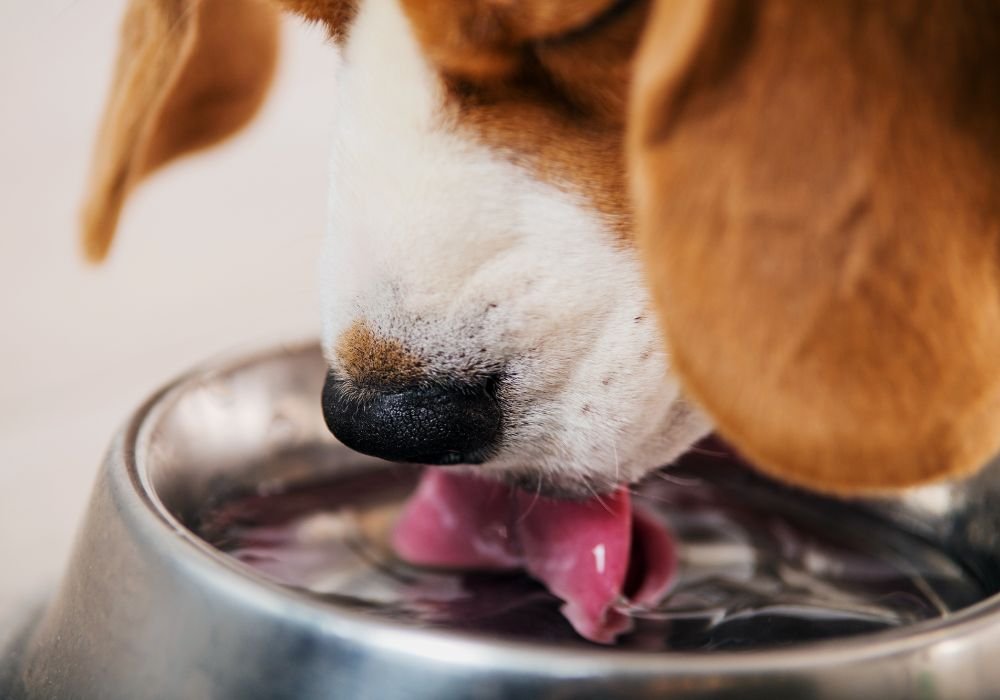
Your pet is part of the family. You buy them the best food and the most exciting toys. But do you ever stop to think about what’s in their water bowl? Lurking in that water could be harmful bacteria or contaminants you can’t see. Over time, if your pet drinks contaminated water, they could develop serious health issues. It’s time you really ask: is poor water quality affecting your pet’s health?
Hard Water Can Cause Urinary Issues
Have you noticed white, chalky buildup on your faucets? That’s hard water. It’s packed with high levels of minerals like calcium and magnesium. While these minerals aren’t toxic in small doses, too much of them can create problems for pets.
Cats and dogs can develop urinary issues if they drink hard water over a long period. These minerals can crystallize in their urine. This sometimes leads to bladder stones or urinary tract infections. If your pet seems to have trouble peeing or cries in the litter box, the tap water might be part of the problem.
Bacteria and Parasites Upset Stomachs
Tap water isn’t always sterile. Sometimes, bacteria like E. coli or parasites like Giardia can slip through, especially if you have well water or old pipes.
These microscopic bugs can wreak havoc on your pet’s digestion. You might notice vomiting, diarrhea, or a sudden loss of appetite. It’s scary when our pets get sick, and we often blame the food first. But don’t rule out the water.
Chlorine and Chemical Contaminants
City water contains chlorine to kill germs. While it makes water safe for humans, our pets are much more sensitive to the smell and taste. A strong chlorine scent might make your dog or cat drink less water than they need. This can lead to dehydration.
Besides chlorine, heavy metals like lead or copper can leach from old plumbing. These contaminants can accumulate in your pet’s system over time. Lead exposure can lead to neurological damage, seizures, and gastrointestinal distress, while high levels of copper can cause liver damage and digestive issues.
Keep the Water Flowing Clean
Is poor water quality affecting your pet’s health? It certainly can, but you have the power to fix it. You can often restore your H2O’s quality by installing a water treatment system, but how do you choose the right one for your home?
The first step is to test your water to see what contaminants might be present. Depending on the results, you may need a water softener to reduce hardness, a filtration system to remove impurities, or a reverse osmosis system for thorough purification. The correct choice can improve water quality and keep your pet healthy with clean, safe water.