


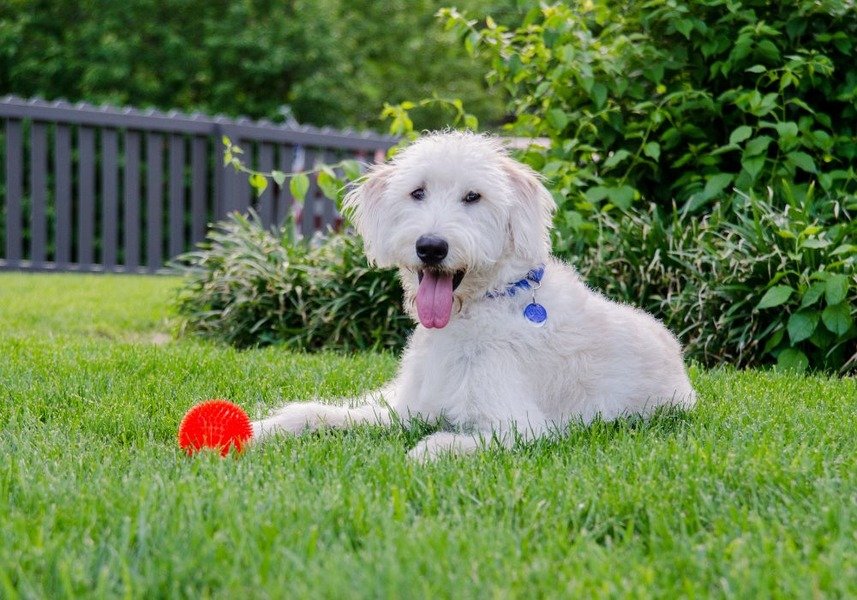
Dogs bring energy, curiosity, and plenty of personality to the yard. They sniff, dig, roll, nap in the shade, and sometimes taste whatever catches their attention. That’s why plant choice plays a big role in creating an outdoor space that looks good and supports your dog’s daily adventures.
A pet-friendly landscape doesn’t have to look plain or limited. With the right plants, smart placement, and a little planning, you can build a yard that feels lush, colorful, and welcoming for both people and pups. These are the plants that are safe for dogs, allowing you to create dog-friendly landscaping.
Start With Safe Favorites
Many beautiful plants thrive in dog-friendly yards. Sunflowers add height and cheerful color, while zinnias bring bright blooms throughout the warm months. Snapdragons work well in beds and borders, adding texture without raising concerns for curious dogs.
For greenery, Boston ferns make a soft, full choice for shaded areas or containers. Spider plants also work well in hanging baskets or patio pots. If you want fragrance, rosemary adds a pleasant scent and structure, and dogs can move around it safely.
Marigolds offer another strong option. They bring bold color, help fill garden gaps, and hold up well in sunny spots. They’re especially useful near walkways, patios, and other areas where dogs frequently pass through.
Add Color Through the Seasons
A dog-safe yard still needs variety. Seasonal planting helps you avoid a flat or unfinished look. In spring, pansies bring early color and tolerate cooler weather. In summer, zinnias, sunflowers, and snapdragons keep beds lively. In fall, dog-safe ornamental grasses add movement and texture.
This rotation helps keep your landscaping beautiful year-round without relying on risky plants. It also gives you room to refresh containers, adjust color palettes, and replace tired blooms before the yard starts to look neglected.
Choose Placement Carefully
Even safe plants need smart placement. Dogs often create natural paths through the yard, so plant sturdy options near high-traffic areas. Use raised beds or larger containers for delicate flowers that may not withstand playful paws.
Leave open space for running and lounging. A yard packed edge-to-edge with plants can frustrate an active dog and lead to trampling. Clear paths, mulched zones, and shaded rest spots help dogs understand where to move, play, and relax.
Skip Risky Plants
Some common landscape plants can cause problems for dogs. Avoid azaleas, lilies, oleander, sago palms, and foxglove. These plants may look attractive, but they don’t belong in spaces where dogs roam freely.
Before adding anything new, check the plant name carefully. Nurseries often sell plants by both common and botanical names, so confirm the exact variety before bringing it home.
Build a Yard You’ll Both Enjoy
A pet-friendly landscape should feel intentional, not restricted. Choose dog-safe plants with color, texture, and seasonal interest. Place them where they can thrive, protect delicate areas from rough play, and leave room for your dog’s favorite outdoor habits.
With a thoughtful layout and the right plant choices, your yard can stay beautiful, practical, and comfortable for every member of the family, paws included.