


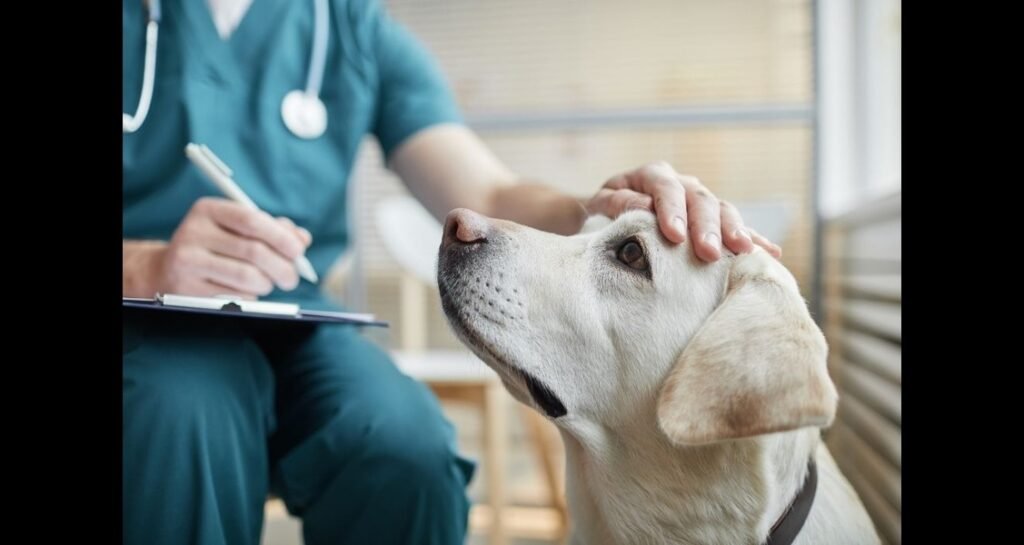
Hearing that your pet needs surgery often brings a rush of questions. Even a routine procedure feels different when the patient is the animal who sleeps beside you every night. Clear information helps you prepare without spending the days before surgery imagining every possible complication.
As you think through the questions to ask before your pet has surgery, focus on what will help you understand the procedure and the recovery ahead. Your veterinarian should explain the plan in terms that make sense to you. A good conversation also gives you a clearer idea of what your pet will need once you return home.
Ask Why Surgery Is the Best Option
Start with the reason your veterinarian recommends surgery. Understanding the goal gives the rest of the conversation more context. Ask what problem the procedure intends to correct and what might happen without it. Some surgeries address an urgent condition, while others aim to prevent a problem from getting worse over time.
You might also want to discuss whether other treatment options exist. The answer depends on your pet’s condition and overall health. Knowing why surgery makes the most sense helps you feel more prepared for the decision.
Ask What Success Looks Like
Success does not always mean the same thing for every procedure. Your veterinarian might expect a complete recovery. In other situations, surgery might simply reduce pain or improve mobility without fully correcting an underlying condition. Ask what improvement you should reasonably expect. This helps you set realistic expectations before recovery begins.
Find Out What Happens Before Surgery
Preoperative instructions matter because they help the veterinary team prepare your pet safely. Ask when your pet should stop eating before the procedure. Your veterinarian might also give specific instructions about water or regular medications.
Do not rely on general advice you remember from a previous pet or procedure! The instructions might differ based on age or health history. You should also ask whether your pet needs bloodwork before surgery. Testing helps the veterinary team understand whether any health concerns deserve attention before anesthesia.
Understand the Anesthesia Plan
Anesthesia worries many pet parents, so this part of the conversation deserves time. Ask what type of anesthesia the veterinary team plans to use and how they will monitor your pet throughout the procedure. Your veterinarian should also explain how your pet’s age and medical history influence the plan.
Monitoring continues throughout surgery so the team can watch how your pet responds. Understanding that process often makes the experience feel less mysterious as a pet owner. If your pet has reacted poorly to anesthesia before, make sure to mention it during the consultation.
Ask How the Team Protects Delicate Tissue
Surgical technique is crucial because every procedure involves more than reaching the area that needs treatment. The veterinary team also needs to protect surrounding tissue while completing the surgery.
For delicate procedures, ask how the surgeon approaches blood vessels and nearby structures. For example, research on avoiding vessel damage during small-animal procedures highlights why careful tissue handling and appropriate instruments matter in precise veterinary work.
You do not need to understand every surgical tool. Instead, ask what steps the team takes to limit unnecessary trauma during the procedure.
Discuss Pain Management Before Going Home
Pain control should not become a question you remember after your pet comes home. Ask what your pet will receive during surgery and what medication you will need to give afterward. You should know when the first home dose is due before leaving the clinic.
Before surgery day, consider asking:
- How will the team manage pain during the procedure?
- What medication will my pet need at home?
- What side effects should I watch for?
- When should I call if my pet still seems uncomfortable?
- How long should pain medication continue?
Write the answers down if you know the day will feel emotional. It is much easier to follow instructions when you do not need to rely on memory.
Learn What Normal Recovery Looks Like
Pets rarely come home acting completely like themselves after surgery. Knowing what counts as normal helps you avoid unnecessary worry. Ask how sleepy your pet might seem during the first evening. Next, find out when your veterinarian expects normal eating and drinking to return. You should also discuss activity restrictions. Some pets need strict rest, especially after orthopedic procedures. Others might be able to return to gentle movement sooner.
Know Which Changes Need a Call
Ask your veterinarian to explain the warning signs that require attention. You should know what the incision should look like during normal healing. If your pet’s behavior changes in a way that concerns you, contact the clinic rather than trying to interpret the situation on your own. Having those instructions before you leave makes the first few days at home less stressful.
Prepare the House Before Surgery Day
Recovery feels easier when you prepare the home before bringing your pet back. Choose a quiet area where your pet already feels comfortable. The space should limit opportunities for running or jumping if the veterinarian recommends restricted activity.
Think about everyday routines too. A dog who usually sleeps upstairs might need a temporary setup on the first floor. Meanwhile, a cat who loves climbing might need a smaller recovery area for a while.
Set up the space before surgery day! Once your pet comes home, your attention should stay on helping them settle rather than rearranging furniture.
Ask About Incision Care and Follow-Up
Before leaving the clinic, make sure you know how to care for the surgical site. Ask whether the incision needs to stay dry. Your veterinarian should also tell you whether your pet needs a protective collar or another barrier to prevent licking. Keep the clinic’s contact information nearby during recovery. If the incision changes or your pet seems uncomfortable, you will know where to turn.
Make Sure You Understand the Whole Plan
Surgery day moves quickly, and stress makes the smaller details harder to remember. Asking questions ahead of time gives you more room to absorb the answers.
When you work through the questions to ask before your pet has surgery, focus on understanding what will happen before the procedure and what recovery will require afterward. You should leave the conversation knowing how the veterinary team plans to manage pain and what changes deserve a phone call.