


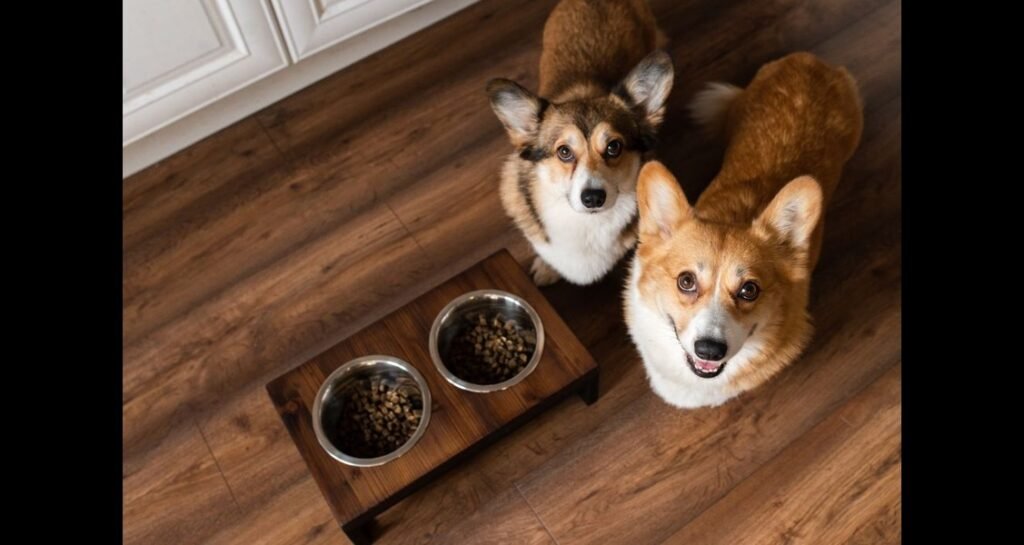
You know your pet’s routine better than anyone. Maybe your dog races toward the kitchen whenever you reach for the food container, or your cat starts meowing before breakfast. So when your furry friend suddenly ignores a meal, it’s natural to wonder whether something’s wrong.
A missed meal doesn’t always signal a serious health problem. Sometimes, a change in routine or an unfamiliar food can temporarily affect your pet’s appetite. However, refusing food can also provide an early warning that your cat or dog needs medical attention.
Understanding what your pet’s eating habits reveal can help you recognize concerning changes and make thoughtful decisions about their health.
Consider Their Normal Appetite
Every cat and dog has individual eating habits. Some pets finish their meals within minutes, while others prefer eating smaller portions throughout the day.
Before worrying about an untouched bowl, think about your pet’s usual behavior. Does your dog occasionally skip breakfast after a particularly active day? Does your cat normally eat several small meals instead of one large serving?
A sudden departure from an established routine deserves attention. If your enthusiastic eater suddenly refuses dinner, consider what might explain the unexpected change. Recognizing your pet’s typical habits gives you a helpful starting point.
Look for Recent Changes
Cats and dogs often respond to changes in their surroundings. Moving furniture or welcoming visitors can temporarily disrupt their usual eating habits.
Even changing food brands might cause hesitation, especially if your pet dislikes the unfamiliar taste or texture. Think about anything unusual that happened before your pet skipped a meal. Did you recently change their feeding location or introduce another animal into the household?
If your pet otherwise behaves normally, environmental changes might explain their hesitation. However, don’t automatically blame stress when appetite loss continues, or other symptoms appear.
Check for Dental Discomfort
Imagine trying to enjoy dinner with a painful tooth. Your pet might experience similar discomfort when dental problems interfere with chewing.
Dogs with dental disease may approach their bowls enthusiastically before backing away. Cats sometimes chew awkwardly or show less interest in crunchy food.
Watch for excessive drooling or noticeable bad breath. Some pets also paw at their mouths when dental discomfort becomes troublesome.
Avoid attempting a painful mouth examination yourself. A veterinarian can evaluate your pet’s teeth and recommend appropriate treatment without causing additional discomfort.
Notice Digestive Problems
An upset stomach can quickly change your pet’s enthusiasm for mealtime. Cats and dogs may lose interest in food when nausea or digestive discomfort develops.
Pay attention to accompanying symptoms, particularly vomiting or diarrhea. Your pet might also swallow repeatedly or show unusual restlessness.
Dietary changes can sometimes trigger digestive problems, but infections and other medical conditions can cause similar symptoms. Contact your veterinarian if your pet refuses food alongside digestive symptoms. Repeated vomiting or an inability to keep water down requires prompt medical attention.
Watch Their Energy Levels
Your pet’s behavior outside mealtime can reveal important clues about their health. A missed meal becomes more concerning when your normally energetic companion suddenly acts unusually quiet.
Perhaps your dog ignores their favorite toy or seems reluctant to go outside. Your cat might spend more time hiding instead of greeting you. These changes can indicate discomfort or an underlying illness that needs veterinary attention.
Don’t assume your pet simply feels tired when appetite loss accompanies noticeable lethargy. Contact your veterinarian promptly, especially if your pet seems weak or struggles to move normally.
Think About Hidden Pain
Cats and dogs can’t explain when something hurts, so their behavior often provides the earliest clues. Pain can reduce appetite even when the problem has nothing to do with digestion.
A dog with joint discomfort might struggle to approach a feeding station. A cat experiencing abdominal pain may avoid food despite appearing interested.
Watch for unusual posture or reluctance to jump onto familiar furniture. Some pets also become less comfortable with physical contact.
If you suspect pain, schedule a veterinary examination. Avoid giving your pet human pain medication unless your vet directs you to do so.
Understand Why Cats Need Attention
Cats require particular attention when they stop eating because prolonged food refusal can create additional health complications. When cats consume too little food for an extended period, they can develop hepatic lipidosis, a serious condition involving fat accumulation in the liver. Overweight cats face greater risk.
Contact your veterinarian promptly when your cat refuses food, rather than waiting for several missed meals. If your cat hasn’t eaten properly for 24 hours, seek veterinary attention immediately.
Kittens and cats with existing health conditions may need help much sooner. Early intervention can prevent a manageable problem from becoming more complicated.
Consider Your Dog’s Health
Dogs sometimes miss a meal without experiencing a serious illness. However, persistent appetite loss can signal digestive trouble or another underlying condition.
Your dog’s age and medical history influence how urgently you should respond. Puppies and dogs with diabetes may face greater risks when they don’t eat normally.
Contact your veterinarian if your otherwise healthy adult dog continues refusing food or approaches 24 hours without eating. Don’t delay when your dog also shows concerning symptoms. Your veterinarian can help determine whether the situation requires an immediate examination.
Watch Their Water Intake
Food isn’t the only part of your pet’s daily routine worth monitoring. Changes in drinking habits can provide additional information about their well-being.
Notice whether your cat or dog visits their water bowl more frequently or suddenly drinks much less than usual. Increased thirst sometimes accompanies conditions such as diabetes or kidney disease. Reduced drinking can contribute to dehydration, particularly when vomiting or diarrhea occurs.
If your pet refuses water or struggles to keep fluids down, contact your veterinarian promptly. Don’t wait for severe dehydration symptoms.
Recognize Emergency Warning Signs
Some situations require immediate veterinary care rather than careful observation at home. Difficulty breathing or collapse demands emergency attention. A dog with a swollen abdomen and repeated unsuccessful attempts to vomit may have a life-threatening emergency.
Severe weakness or suspected poisoning also warrants urgent evaluation. Appetite loss alongside these symptoms increases concern. Remember that waiting could make your pet’s condition worse when serious symptoms develop. Contact an emergency veterinary hospital if your regular clinic cannot provide immediate assistance.
Avoid Forcing Food
Watching your beloved companion refuse dinner can tempt you to try anything that might encourage eating. However, forcing food into your pet’s mouth can create additional problems.
Cats may develop stronger food aversions after unpleasant feeding experiences. Force-feeding can also increase the risk of choking or inhaling food.
Instead, provide access to fresh water and contact your veterinarian for feeding recommendations. Avoid offering rich table scraps or unfamiliar treats to tempt your pet. These foods might worsen digestive discomfort or complicate an existing medical problem.
Track Changes Before Your Visit
Keeping a simple record can help your veterinarian understand what happened before your pet’s appetite changed. Write down when your cat or dog last ate normally and approximately how much food they consumed. Include any changes in drinking habits or bathroom routines. Mention recent food changes and medications when discussing your concerns with the veterinary team.
If your pet develops vomiting or unusual behavior, record when those symptoms began. Clear information can help your veterinarian identify potential causes and recommend appropriate next steps.
Pay Attention to Small Changes
What a missed meal can tell you about your pet depends on their usual habits and overall behavior. Sometimes, an untouched food bowl reflects a temporary disruption. Other times, it provides an early warning of a health concern.
Trust your familiarity with your cat or dog, but remember that even subtle appetite changes deserve attention. Contact your veterinarian whenever food refusal persists, or concerning symptoms appear.
Your pet relies on you to notice when something feels different. By responding thoughtfully to changes in their eating habits, you can help your furry companion stay comfortable and healthy.