


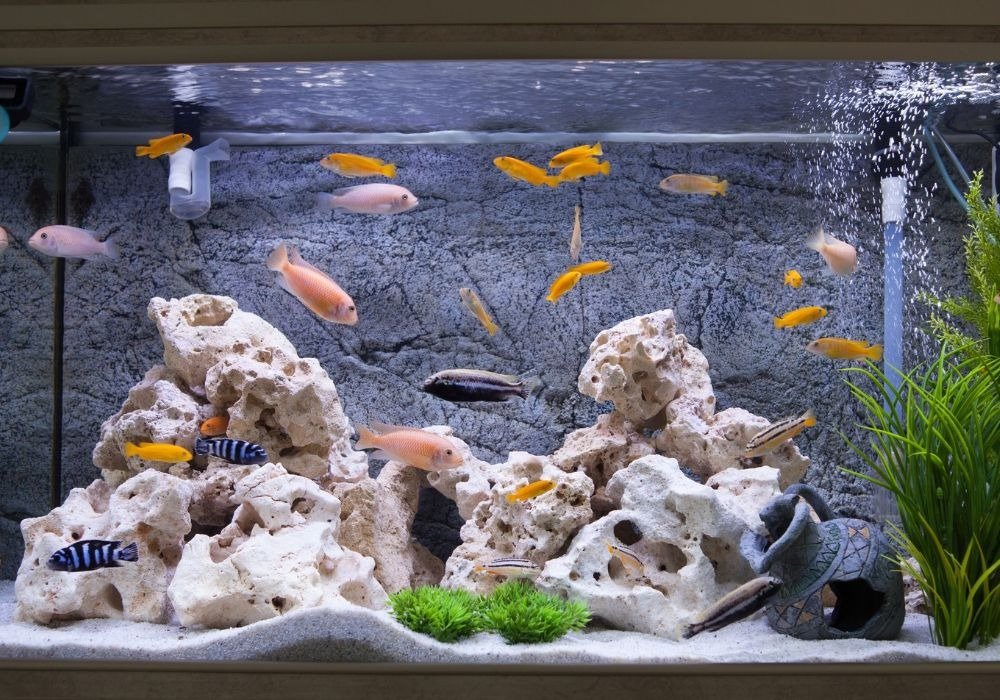
An aquarium adds a unique feel to any room. Watching fish after work is a peaceful way to relax, and taking care of the tank gives you a hands-on activity away from screens. Still, a good setup begins well before you bring any fish home.
Your tank needs a sturdy spot and enough space for regular upkeep. Planning these details early helps keep the hobby enjoyable once the aquarium is in your home. Here’s what to know before adding an aquarium to your home.
Choose the Tank Before Choosing the Fish
It’s easy to fall in love with a fish at the pet store before you know what it needs. Try to wait a bit! Pick a tank size that fits your room first, then look up which fish will do well in that space.
A small tank might seem easier for beginners, but less water means things can go wrong faster. A slightly bigger aquarium is usually more stable for newcomers. Choose a size you can clean each week without trouble. Once you know your limit, pick fish that have enough room to grow.
Check the Weight Before Filling Anything
Water weighs just over eight pounds per gallon, so an aquarium gets heavy quickly. The glass itself is already heavy, and adding substrate and decorations increases the weight even more.
Whenever you can, use a stand made for aquariums. If you want to use your own furniture, make sure it can handle the weight. If you’re not sure about the floor, check its strength too.
Put the Tank Where Maintenance Feels Easy
A beautiful corner might seem perfect until you realize you have almost no room to reach the filter. Give yourself enough clearance to clean the glass comfortably. Having nearby electrical access will also make the setup much neater.
Consider water changes before picking a spot. Carrying buckets across the house gets tiring quickly, especially with a bigger tank. Placing the aquarium near a sink makes regular upkeep much easier.
Direct sunlight from a window can cause algae to grow and may raise the water temperature. A bright room is fine, but try to keep the aquarium out of direct sun for long periods.
Leave Yourself Room To Work
Don’t place the tank right up against the wall. You’ll need to reach the filter or get behind the stand at some point. Leaving a few extra inches makes these tasks much easier. After the aquarium is filled, moving it is no longer simple.
Give the Aquarium Time To Cycle
A new tank needs more than clean water before fish can move in. Beneficial bacteria need time to establish so the aquarium can process fish waste safely. Aquarium hobbyists call this process the nitrogen cycle.
Use this waiting period to get comfortable with water testing. Watch how your filter runs for a while, then check whether the temperature stays consistent. You also have time to adjust the layout before fish complicate the job. A properly cycled aquarium gives your fish a healthier starting point and gives you more confidence in the setup.
Choose a Spot That Supports Your Fish’s Health
Where you place your aquarium affects your fish’s health and comfort. Direct sunlight encourages algae growth and sometimes causes unwanted temperature changes. Nearby heating vents also affect water temperature, which creates stress for fish that need stable conditions. Choose a quiet location away from windows and drafts to give your fish a more consistent environment.
Your fish also need a peaceful place to swim. Frequent movement around the tank or people tapping on the glass might startle them and cause unnecessary stress. Look for a location where you have easy access for cleaning and regular water changes. You’ll have an easier time maintaining healthy water conditions while giving your fish a comfortable home.
Budget Beyond the Price of the Tank
Aquarium starter kits can make the hobby seem simple, but the tank itself is only part of the cost. Check the prices of all the essential equipment before deciding what size tank fits your budget.
Plan room for:
- A sturdy aquarium stand
- A filter suited to your tank
- A heater when your fish need one
- Water conditioner and test supplies
- A siphon for water changes
- Food for your chosen fish
You don’t have to buy the most expensive versions of everything. Spend your money on reliable equipment that keeps the water stable. You can always add decorations later once you know your preferences.
You’ll need to buy replacement supplies from time to time. Set aside a bit in your monthly budget so these purchases don’t catch you off guard.
Expect Some Cloudiness at the Beginning
A new aquarium might not stay perfectly clear in the first few weeks. Dust from the substrate can make the water look hazy at first. Sometimes, a bacterial bloom can also make the water look cloudy while the system settles.
If you’re wondering how to fix cloudy water in your new aquarium, figure out the likely cause before reaching for treatment products. Test the water once the fish are already in the tank, especially after a sudden change. Avoid changing several things at once because you’ll have a harder time knowing what solved the problem.
Some early cloudiness goes away as the tank matures. If your water tests are safe, your aquarium is likely just settling in.
Pick Fish That Fit Your Real Routine
A fish that looks great online might require more attention than you want to give after a long day. Research its adult size first, then find out how much maintenance the species needs before you bring one home.
Your schedule should guide the decision. Someone who travels regularly might prefer a straightforward setup with hardy fish. If you’re home more often and enjoy tinkering with the aquarium, you might eventually want something more involved.
Start With a Tank You’ll Want To Maintain
Your first aquarium doesn’t have to look like a professional display. Starting simple lets you learn about water care and get used to regular maintenance before trying something more advanced.
Understanding what to know before adding an aquarium to your home starts with how the tank fits your everyday life. Give yourself enough space to work around it comfortably. Choose fish whose care feels realistic for your schedule, then let the aquarium mature without rushing.
Once you get comfortable with the basics, the hobby becomes much more fun. You’ll have a living feature that changes over time, and taking care of it gives you a peaceful break from your daily routine.