


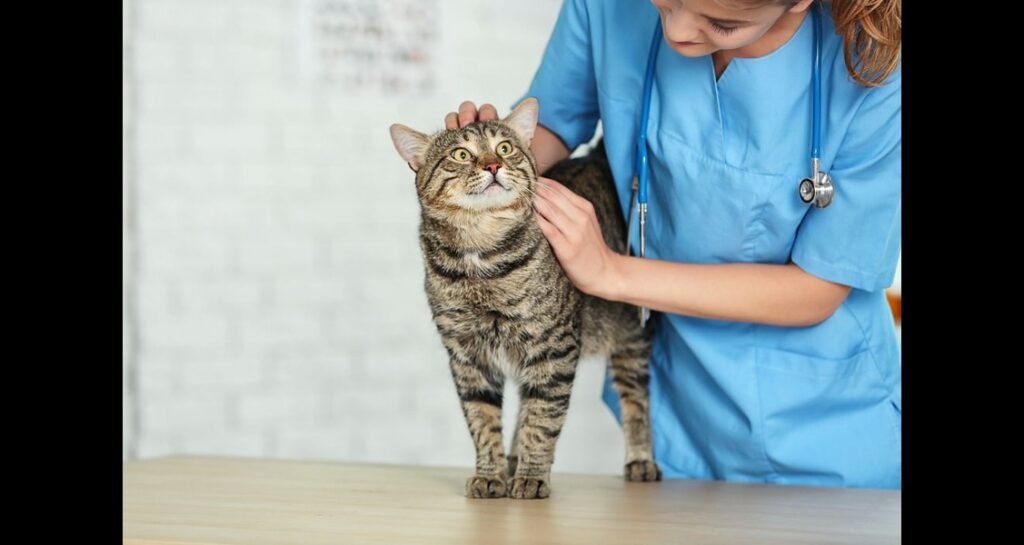
It often starts with a change so small it can be missed during a busy week. Your pet still follows you around, still shows interest in meals, and still acts close enough to normal that the shift feels easy to dismiss. That is why mild weight loss in pets deserves attention. Small body changes often show up before stronger signs push the problem into plain view. Here are a few reasons why your pet may need a quick vet check-up.
Weight Loss Rarely Happens for No Reason
A slight weight loss may look harmless at first, though the body usually has a reason for it. Some pets eat less due to stress, pain, nausea, or difficulty chewing, while others lose weight because their bodies are not properly using food.
You may notice a sharper waist, more visible ribs, or less muscle over the hips before you notice anything else. Those details matter because they often point to a health issue still in its early stage.
Hidden Illness Often Starts Quietly
Mild weight loss can sometimes be linked to problems owners cannot see at home. Kidney disease, diabetes, parasites, thyroid issues, digestive disease, and some cancers can all affect a pet’s condition before it looks clearly sick.
In the early phase, signs may remain vague, such as more sleep, reduced interest in play, slower eating, or a coat that looks a little duller than usual. It does not necessarily mean your pet is in danger, but it is always a good idea to consult your vet if your pet experiences sudden weight loss.
Age Does Not Make Weight Loss Normal
Older pets do change with time, though age should not become an easy explanation for every shift in body condition. Senior dogs and cats still need attention when weight starts to drop, because pain, dental problems, organ disease, and reduced digestion become more common with age.
Younger pets deserve the same level of concern! Age changes the list of possible causes, but it does not make the change unimportant.
Eating Habits Do Not Tell the Whole Story
Many owners expect major weight loss to come with a major appetite change, yet pets do not always follow that script. A dog or cat may still eat daily and still lose weight if digestion changes, calorie needs shift, or pain makes it harder to finish meals. This is the importance of dental health for pets, since sore teeth and inflamed gums often reduce food intake in quiet ways.
What Owners Should Notice Early
Pay attention to appetite, thirst, stool changes, lower activity, trouble jumping, bad breath, or more time spent resting, because weight loss often makes sense once those clues sit side by side. Monthly weigh-ins help a lot, especially for cats and small dogs, where a modest drop matters more than people think.
Mild weight loss in pets deserves attention, especially if they appear to be struggling to eat food or perform daily activities. Always consult your veterinarian if you notice any of these changes in your pet.