When your pet seems suddenly sick or hurt, fast action can protect comfort and prevent a problem from getting worse. Knowing where to go and what to expect helps you stay calm when emotions are running high. A little planning also makes it easier to share useful details with the veterinary team.
Pets can decline quickly, especially when pain, breathing trouble, vomiting, or weakness appears without warning. Many owners look for emergency veterinarian services in South Carolina when they need prompt help for a dog or cat outside normal appointment hours. UrgentVet is a trusted after-hours emergency vet alternative, offering fast, affordable same-day veterinary urgent care for pets, because your pet can’t wait to feel better®. Urgent clinics like this fill the gap between routine care and a full emergency hospital visit. When you understand how these visits work, you can make quicker, better decisions for your pet.
Knowing when to seek help
Some health problems can wait for your regular veterinarian, but others need attention the same day. Signs such as labored breathing, repeated vomiting, collapse, seizures, serious bleeding, or suspected poisoning should never be ignored. Sudden limping, eye injuries, painful ears, diarrhea, or a bite wound can also justify urgent veterinary care, especially if symptoms are worsening. Cats often hide discomfort, so unusual hiding, silence, or refusal to eat may signal something serious. If you are uncertain, a quick phone call can help you judge the safest next step.
Before leaving home, gather any medications, recent records, and a short timeline of what changed. Use a secure carrier for cats and a leash for dogs, since pain and fear can change your pet’s behavior. Try not to offer food unless a veterinarian advises it, because testing or sedation might be needed. Safe transport and clear information can make urgent veterinary care more efficient from the moment you arrive.
What to expect at the clinic
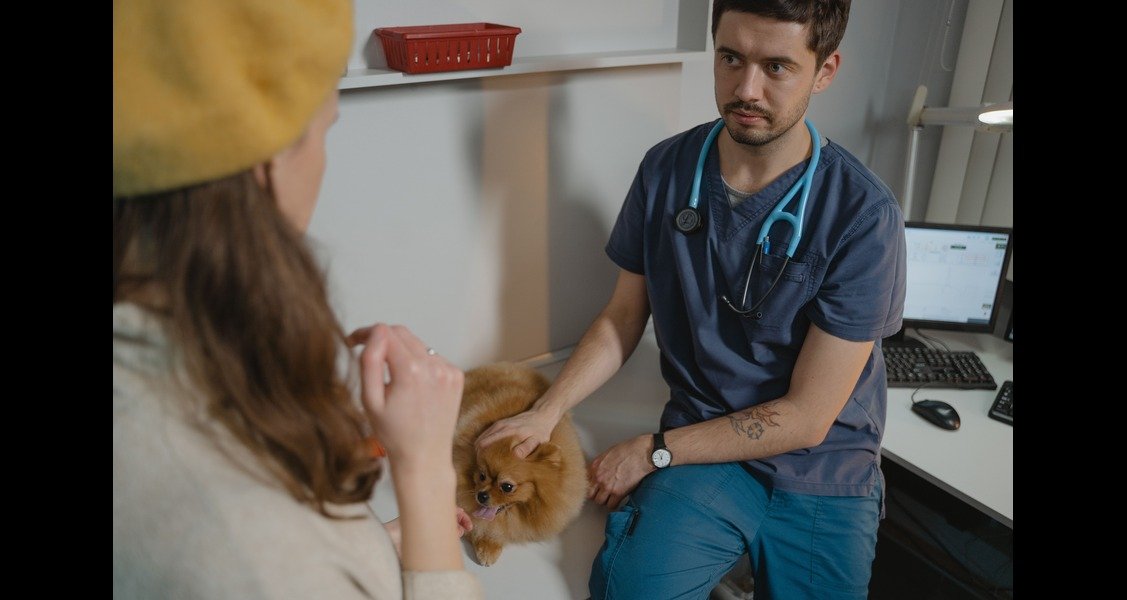
Most clinics use triage, which means the sickest animals are treated first, even if they arrived later. A technician may assess breathing, pulse, gum color, temperature, and alertness within minutes. If your pet is unstable, oxygen, pain relief, or fluids may begin before a full exam is completed. That process can feel rushed, but it is designed to protect pets facing immediate risk. Once your animal is stable, the veterinarian can explain likely causes and recommend the next steps.
Testing may include bloodwork, x rays, wound cleaning, or short monitoring to see how symptoms change. Ask direct questions about the diagnosis, cost, home care, and the signs that mean you should come back. Clinics such as UrgentVet are often helpful when your pet needs same day attention for a pressing but non life threatening issue. Clear instructions at discharge are just as important as treatment, because good follow through supports a safer recovery.
Supporting recovery at home
Once you return home, keep your pet quiet, warm, and closely supervised for the first several hours. Give medication exactly as directed and watch for changes in appetite, breathing, swelling, or energy. If your pet seems worse, do not wait and hope for improvement overnight. Prompt follow up is part of responsible urgent veterinary care, not an overreaction. Sharing visit records with your regular veterinarian also helps connect short term treatment with your pet’s long term health needs.