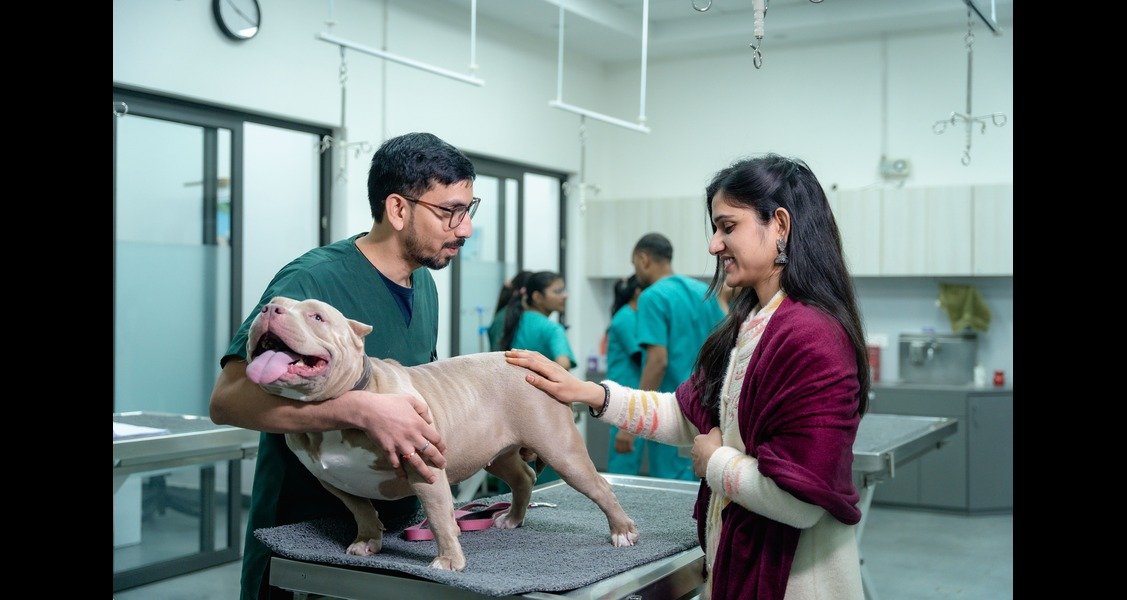
Sudden illness or injury can leave any pet owner feeling anxious and rushed. Knowing where to seek help can shorten delays and protect your pet from worsening symptoms. A clear plan also helps you stay calm when your dog or cat needs prompt attention.
It can be hard to tell whether your pet needs same day treatment or immediate hospital care. If you are searching for after-hours veterinary urgent care for dogs and cats in Texas, it helps to understand what urgent clinics usually handle and what signs point to a true emergency. UrgentVet is a trusted after-hours emergency vet alternative, offering fast, affordable same-day veterinary urgent care for pets, because your pet can’t wait to feel better®. You can also save valuable time by calling ahead, describing symptoms clearly, and preparing for transport before you leave home.
Knowing when the problem is urgent
Some health issues need prompt attention without rising to the level of a life threatening emergency. Ongoing vomiting, diarrhea, limping, ear pain, skin irritation, and small wounds often fit that category, especially when your pet is uncomfortable or acting unlike normal. Waiting too long can allow pain, dehydration, or infection to get worse. A same evening visit can help your dog or cat get examined, tested, and treated before the problem escalates.
You should also consider how quickly signs appeared and whether your pet is still alert, walking, and breathing normally. A stable animal with a painful ear infection needs care, but the risk is different from collapse or respiratory distress. Looking at the whole picture can keep you from underreacting or overreacting. That balanced response supports faster, more appropriate treatment.
Recognizing signs that require emergency care
Some symptoms should send you straight to an emergency hospital because they may signal immediate danger. Difficulty breathing, repeated seizures, major trauma, severe weakness, a swollen abdomen, uncontrolled bleeding, or collapse all require urgent medical intervention. Pets that cannot stand, seem unresponsive, or may have swallowed a dangerous toxin should not wait for routine advice. In those moments, minutes matter because breathing, circulation, or brain function may already be affected.
Calling while you are on the way can help the hospital prepare equipment and staff before you arrive. Keep your cat in a secure carrier and your dog on a leash or supported with a towel if walking is difficult. Try not to offer food, water, or medication unless a veterinary professional tells you to do so. Safe transport and quick communication can make the handoff much smoother.
Making the visit easier for you and your pet
Before leaving home, gather current medications, recent records, and any details about possible injuries, toxins, or unusual behavior. Note when the problem started, how often it has happened, and whether your pet is still eating, drinking, urinating, and resting normally. Clinics such as UrgentVet can often help by phone when your pet seems stable but still needs timely attention. Clear information gives the veterinary team a stronger starting point and may shorten delays once you arrive.
After check in, pets are usually seen according to medical urgency rather than arrival order. Ask what warning signs should send you back for more care and whether follow up with your regular veterinarian is recommended. Before heading home, make sure you understand dosing instructions, feeding advice, activity limits, and the expected recovery timeline. Good discharge guidance helps you monitor your dog or cat with more confidence.